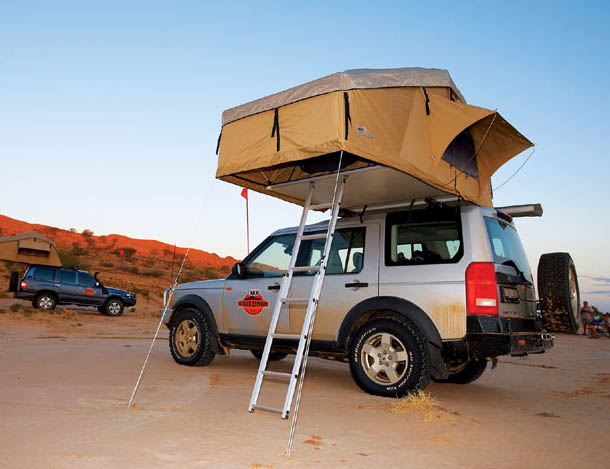
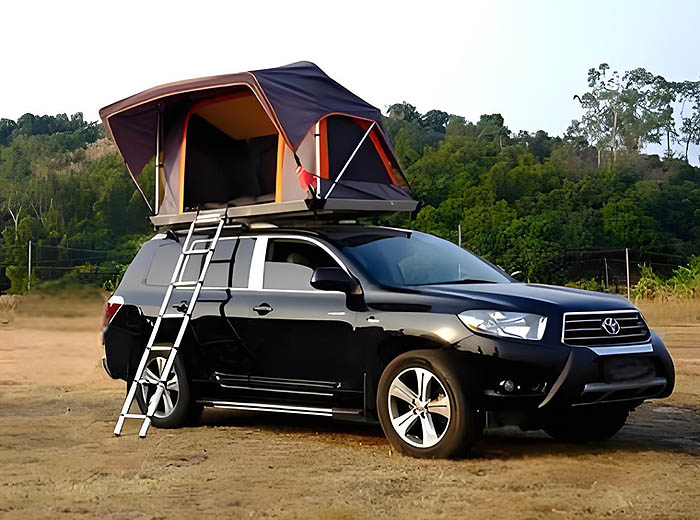
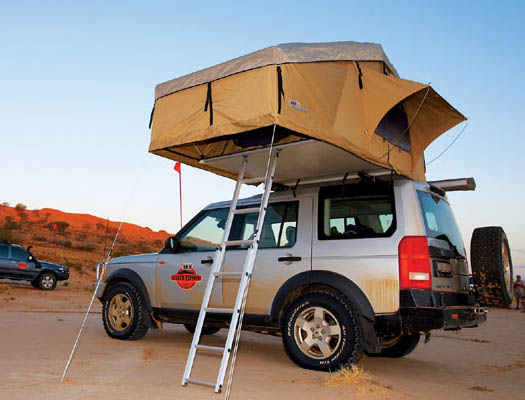
This summer, I finally experienced the true joy of outdoor adventure—all thanks to my roof top tent. Looking back, my only regret is not buying one sooner!
Our three-day camping trip was unforgettable. We set off from Xi’an, passing through Ankang, Hanzhong, Baoji, and Xianyang before returning home. It was a journey filled with off-road adventures, and my camping tent made the entire experience smooth, comfortable, and worry-free.
Why a Roof Top Tent Makes Camping Easier
On long trips, setting up and taking down a ground tent daily wastes precious time and energy. A roof tent solves this problem instantly. Just park your car, deploy the tent in seconds, and you’re ready for a good night’s sleep. No more struggling to find the perfect flat spot, no more fiddling with tent poles and stakes.
On this trip, I used Heching’ rooftop tent with remarkable results. Here are the highlights of my experience:
1. Quick Setup and Take Down
The tent opens and closes in seconds. After long hours of driving, being able to rest immediately is pure bliss.
2. Dry and Comfortable Sleep
Mountain air is humid, and nights are cold. Ground tents often get damp with condensation, but this tent kept me dry. Any camper knows how crucial a warm, moisture-free night’s sleep is.
3. Unwavering Stability
Finding perfectly flat ground in the wild is nearly impossible. But with a rooftop tent, it doesn’t matter—your vehicle becomes your solid, stable base. No matter where we park, a level, comfortable bed awaits us.
Why You Should Consider a Roof Top Tent
If you love road trips, off-road adventures, or extended outdoor excursions, a roof top tent isn’t just gear—it’s a lifestyle upgrade. Compared to traditional camping tents, roof top tents save time, offer greater comfort, and grant you more freedom in choosing your campsite.
For me, this trip proved one thing: investing in a rooftop tent was one of the smartest decisions I’ve made since I started camping. Whether you’re exploring mountains, crossing rivers, or simply enjoying a weekend getaway, a reliable rooftop tent transforms every outdoor journey into an effortless and enjoyable adventure.
Camping with your children is a great way to strengthen family bonds and help them connect with nature. If you are looking for an easy and fun way to enhance your outdoor experience, a roof top tent is an excellent choice. Not only is it easy to install, but it is also very comfortable and safe, making it ideal for family adventures.
Why choose a roof top tent for family camping?
Unlike traditional camping tents, which require finding a flat, dry spot and sometimes struggling with pegs and guy ropes, roof top tents can be securely installed on top of your vehicle. This elevated design keeps you away from the cold, uneven ground and away from insects or wildlife. Parents especially love this design when camping with young children.
Kids love the adventure of climbing a ladder to get into the tent. It’s like being in a treehouse in the wild! Most roof top tents are compact but spacious enough to comfortably accommodate a family of three. The panoramic views from there? Unbeatable. Imagine lying in a comfortable bed at night, looking up at the stars.
Easy to install—even for beginners
Don’t be intimidated by the idea of installing a tent on your car. Most roof top tents come with a built-in support frame and mounting hardware. Here is a simple step-by-step overview:
Install the roof rack: Make sure your car has a compatible roof rack that can support the weight of the tent.
Secure the tent base: Place the tent on the roof rack and align the brackets with the rack crossbars.
Tighten all fasteners: Use the bolts and tools provided to secure the tent firmly to prevent it from shifting while driving.
Unfold and extend: Once at the campsite, unfold the tent, extend the ladder, and adjust the support poles. That’s it!
Tip: Before entering the tent, double-check all fasteners and securing components to ensure they are secure, especially when children are involved.
Practical advantages for family campers
Say goodbye to muddy or uneven ground: Stay dry and clean even in the rain. Better ventilation and views: Elevated tents typically feature mesh windows around the perimeter, ensuring airflow and providing panoramic views. Faster setup and takedown: Reduce setup time and spend more time playing with the kids or relaxing. Built-in mattresses: Most models come with foam mattresses, eliminating the need to carry additional sleeping pads.
Family fun inside the tent
One of the biggest advantages of roof top tent camping is that children can have a lot of fun inside the tent. Our favorite activities include: telling bedtime stories, playing cards or board games, stargazing through the mesh roof, and sharing snacks while enjoying the breeze. Every trip becomes an unforgettable memory. Our children often say that sleeping in the tent is their favorite part of the whole camping trip—they are never in a hurry to go home!
Whether you’re planning a weekend in the woods or a road trip along a scenic route, a roof top tent makes camping more convenient and exciting. For families who want a clean, safe, and comfortable space without the hassle of setting up a traditional tent, a roof top tent is the ideal choice. Try it once, and you may never want to go back to ground camping.
Roof top tents (RTTs) are rapidly gaining popularity among campers, off-road travelers, and SUV owners. Compared to traditional camping tents, SUV roof top tents offer a higher, safer, and more comfortable sleeping experience—perfect for off-road camping and outdoor adventures. Whether you’re planning a family trip, a solo off-road adventure, or a weekend getaway, a rooftop tent allows you to camp anywhere with ease.
Key Benefits of Roof Top Tents
Quick setup: Most RTTs can be set up in minutes, saving you camping time.
Safe and comfortable: The elevated sleeping platform keeps you away from damp ground, insects, and wildlife.
All-terrain adaptability: Ideal for off-roading, overlanding, and remote camping areas.
Space-saving: Frees up interior luggage space in your car or SUV.
Basic Requirements for Installing a Roof Top Tent
Before choosing a roof top tent, make sure your vehicle meets the installation requirements:
Roof rack required: Roof top tents must be installed on a stable roof rack system. Never place the tent directly on the roof.
Vehicle compatibility: SUVs and off-road vehicles are best suited, but sedans or trucks can also be fitted with RTTs with the appropriate modifications.
Weight capacity: Make sure your roof rack and vehicle roof can support the weight—most RTTs weigh around 50-70 kg.
Types of Roof Top Tents: Soft Shell vs. Hard Shell
Roof top tents are mainly divided into two categories:
1. Soft Shell Roof Top Tent
Soft shell roof top tents are similar to the ordinary tents we set up on flat ground. The advantage is that they are inexpensive, generally costing between $400 and $700. However, the disadvantage is obvious: they are relatively complicated to set up.
Hard shell roof top tents are very convenient to use and can be set up automatically with the push of a button. They generally cost more than $1,000. However, they are also relatively heavy, so you need to consider the convenience of carrying them and the load capacity of your car roof.
Precautions for Using Roof Top Tents
Increased fuel consumption: Roof top tents usually weigh about 60 kg, which will increase the fuel consumption of the vehicle after installation. In addition, because roof top tents are not easy to transport, many people choose to permanently fix them to their cars, which will increase wind resistance and further increase fuel consumption.
Assembly and disassembly require multiple people: Because the tents are heavy, assembly and disassembly require multiple people. It is recommended to arrange for assistance before departure; otherwise, setting up the tent at the campsite may be challenging.
Be cautious when climbing the ladder: When staying on the roof, climbing the ladder at night is easy to slip and fall. Forgetting that you are on the roof and attempting to walk down directly is particularly dangerous. Therefore, extra caution is required when resting on the roof tent.
Easy to scratch when setting up and dismantling the tent: When setting up and dismantling the tent, please pay attention to the handling of items to avoid damaging the vehicle. Minor scratches can damage the paintwork, while more serious damage can cause dents.
Is a Roof Top Tent Right for You?
Roof top tents are ideal for people who value flexibility, comfort, and adventure. Whether you are an off-road explorer or a weekend camping enthusiast, there is a tent that suits your lifestyle:
Overlanding Tent: Ideal for long-distance adventures on rough terrain.
SUV Tent: Ideal for urban vehicles that are occasionally used for weekend getaways.
Family Roof Top Tent: Many models can accommodate 2-4 people, making them ideal for small families.
Want to upgrade your camping gear? Browse our selection of hard shell tents, soft shell tents, and vehicle-mounted camping tents—all carefully selected for quality, durability, and outdoor performance.
Roof Top Tents are revolutionizing the outdoor experience for modern camping enthusiasts, with innovative camping equipment that transforms your car into a mobile bedroom in the sky. Roof Top Tents not only save time when compared to traditional ground tents, but also provide a comfortable sleeping environment away from wet floors and insect infestation. Especially when Roof Top Tent is used in combination with solar panels, campers can enjoy unprecedented convenience and freedom, truly realizing the dream of off-grid living.
Before installing your Roof Top Tent, it is important to double check the weight capacity of your roof rack. Most Roof Top Tents weigh between 50-150 kilograms, and with the weight of the user, the roof rack needs to withstand at least 200 kilograms of static load. To install, start by using high quality roof bars and follow the vehicle instructions to determine the correct mounting position. The tent base needs to be secured using professional grade stainless steel bolts, with anti-loosening washers at each connection point and tightened evenly to the recommended torque value.
When unfolding the tent, it is recommended that two people work together. Disengage all safety catches first and slowly push up the tent body to ensure that the support poles are fully locked into place. Modern Roof Top Tents tend to use a hydraulic assist system, making single person operation possible. When fixing all straps, attention should be paid to the even tension to avoid localized over-tightening leading to fabric deformation. As a special reminder, a test should be carried out on a safe site after the first installation to check the stability of all connection points.
The perfect integration solution for solar energy systems
Equipping Roof Top Tent with solar panels is the key to enhancing the camping experience. Flexible solar panels can be mounted directly on the outer surface of the tent without adding extra wind resistance. 200W solar system can generate about 1000Wh of electricity on a sunny day, enough to power cell phones, laptops, camping lights and small refrigerators. When choosing solar panels, monocrystalline panels are more efficient and suitable for roof mounting where space is limited.
A deep cycle battery, charge controller and inverter are required to install a solar system. Lithium-ion battery packs are recommended; they are lighter and last longer than traditional lead-acid batteries. Mount the controller in a dry location inside the vehicle and set the correct charging parameters to protect the batteries. The inverter power should be selected according to the largest power-using equipment, generally 1000W inverter can meet the needs of most camping electrical appliances.
Key Points for Safe Use of Roof Top Tent
Safety is always the primary concern when using a Roof Top Tent. All metal parts should be checked for cracks or deformation before each pitch, paying special attention to the state of hinges and support poles. In strong winds, the tent should be additionally reinforced and secured to ground anchors using windbreak ropes. When the tent is unfolded, ensure that all ladders are securely locked and check that the non-slip footings are in good condition.
A specially designed moisture barrier should be used inside the Roof Top Tent, not only to improve comfort but also to prevent condensation problems. It is vital to maintain proper ventilation inside the Roof Top Tent, most Roof Top Tents are equipped with multiple ventilation windows, all of which should be opened in hot weather to create air convection. For winter use, insulation can be added to the tent to reduce heat loss.
Professional Maintenance Tips
The long-term performance of a Roof Top Tent depends on routine maintenance. After each camping trip, dust and debris should be removed from the surface of the tent using a soft bristle brush. Stubborn stains can be gently scrubbed with neutral detergent and warm water, avoiding the use of strong chemical cleaners. The tent can only be stowed away when it is completely dry, and can be treated with the help of a portable dehumidifier in humid environments.
Metal parts should be coated with special lubricant every quarter to prevent rusting. Regularly check the seams for wear and tear, and promptly repair small cracks with tent-specific glue. For long term storage, it is recommended to hang the tent partially unfolded to avoid permanent wrinkles from folding the material for a long time. Solar panels should be cleaned with a microfiber cloth to keep the surface unobstructed to ensure the best power generation efficiency.
Suggestions for Choosing Roof Top Tent
When choosing a Roof Top Tent, you should consider the frequency of camping, number of users and seasonal factors. Hard-shell Roof Top Tent has less wind resistance and is more durable, suitable for long-term use; soft-shell tents are more affordable and have a smaller storage volume. A two-person tent usually weighs about 60kg, while a four-person tent can weigh up to 120kg, which must match the carrying capacity of the vehicle.
Well-known brands such as Thule, Tepui and Heching offer a wide choice of models, from budget to luxury. Higher-end models are equipped with integrated LED lighting, USB charging ports and reinforced insulation to greatly enhance the experience. It is recommended to check out the different models in the field at a professional outdoor equipment store to understand the specific dimensions and features before making a decision.
Optimized Configuration of Solar Power System
When designing the solar power supply system, the electricity demand should be accurately calculated. The average camper needs about 200-500Wh of electricity per day, including cell phone charging, lights and small electrical appliances. Equipped with 100-200W solar panel and 100-200Ah battery can meet the basic demand. If you use high power devices such as electric blankets or small rice cookers, you will need more than 300W solar panels and higher capacity batteries.
MPPT charge controllers are more efficient than PWM models and are particularly suitable for energy harvesting under cloudy conditions. System wiring should be done with sufficiently thick cables to minimize energy loss. For easy monitoring, a digital meter can be installed to display the battery status in real time. Consider adding a 12V car socket to directly power the camping equipment to avoid energy conversion losses from the inverter.
Practical tips for four-season camping
Roof Top Tent is suitable for year-round use, but different seasons require special preparation. In summer, you should choose a light-colored tent to reduce heat absorption, with a portable fan to promote air circulation. When camping in winter, add an insulating pad between the Roof Top Tent and the roof and use a low-temperature sleeping bag to keep warm. In the rainy season, make sure the waterproof coating of the tent is intact, and pay attention to choosing a slightly inclined position to avoid water accumulation when setting up.
In spring and fall there is a big difference in temperature, so it is recommended to use a multi-layer sleeping bag system to make it easier to regulate the temperature. Whenever possible, weather warnings should be incorporated into trip planning and timely evacuation before inclement weather. Roof Top Tent is solid but still risky in extreme weather conditions, safety always comes first.
Best practices for eco-friendly camping
The modern camper should embrace the principle of “Leave No Trace”. Using solar power is an eco-friendly choice in itself, reducing generator noise and pollution. Choose reusable cutlery and water bottles and avoid disposable plastics. Use biodegradable cleaning products for washing up and waste water should be dumped in leach pits away from water sources.
At the end of your camping trip, scrutinize your surroundings and take away all garbage including food scraps. Respect wildlife by not feeding or disturbing them. Use environmentally friendly insect repellents instead of chemical sprays to protect the ecosystem. With these simple measures, every camper can contribute to the protection of the natural environment.
In-depth Analysis of Common Roof Top Tent Problems
Many first-time Roof Top Tent users are concerned about vehicle compatibility. In fact, as long as the static load-bearing capacity of the roof meets the standard, most SUVs, station wagons and even some cars can be installed. Special reminder, after the installation of the vehicle’s center of gravity rises, should adjust the driving habits, cornering appropriate deceleration. When driving on the highway, the wind noise of hard-shell tents is usually 3-5 dB lower than that of soft-shell tents.
A common question about solar energy systems is the efficiency of power generation. In fact, even on cloudy days, modern solar panels can still produce 25-40% of their rated power. When the sun angle is low in the winter, the angle of the panels can be temporarily adjusted to improve efficiency. The key to system maintenance is to keep the batteries from over-discharging; deep discharges can significantly shorten battery life.
Roof Top Tent durability is also a concern. The service life of high-quality products can reach 8-10 years, the key is in regular maintenance. As a special reminder, prolonged exposure to UV rays will accelerate fabric aging, so try to stow it away or use a protective cover when not in use. Choose a model with a reinforced aluminum alloy frame for greater wind resistance and suitability for a wide range of outdoor environments.
With the rise of self-driving tours and outdoor camping, traditional outdoor tents can no longer meet the needs of modern travelers. Roof Top Tent is rapidly becoming a must-have equipment for self-driving enthusiasts due to its unique advantages – completely waterproof and moisture-proof, effective protection against snakes and insects, providing a safer sleeping environment and better privacy protection. In this article, we’ll detail five top-performing Roof Top Tents on the market to help you find the camping solution that best suits your needs.
The Three Types of Roof Top Tents in Detail
Soft Shell Roof Top Tent: An Affordable Choice for Large Spaces
Soft shell tents are favored by campers with limited budgets because of their relatively low price ($3,000-$5,000 range) and larger interior space. These tents are made of flexible materials and require manual unfolding and stowing. Although the set-up process is cumbersome and may take 15-30 minutes to complete, the unfolded internal height is usually up to 1.2-1.5 meters, providing ample space for standing and moving around. It is worth noting that soft-top tents are relatively less wind-resistant and require additional reinforcement in adverse weather conditions.
Hard Shell Roof Top Tent: High-end and Convenient Automatic Solution
Hard-shell Roof Top Tents represent the high-end level of Roof Top Tent technology, and are motorized for one-touch automatic unfolding and stowage, with the entire process taking only 10-15 seconds to complete. This type of tent uses a rigid shell material (usually fiberglass or ABS plastic), usually weighs between 50-80 kilograms, and has a price range of $6,000-20,000. The outstanding advantage of hardtop tents is their excellent wind and rain protection and extremely fast setup speed, which is especially suitable for frequent travelers on the move or for camping needs under adverse weather conditions.
Hydraulic Semi-Automatic Roof Top Tent: The Mainstream Choice for Balancing Performance and Price
Hydraulic Semi-Automatic Roof Top Tents are by far the most popular type on the market today, perfectly balancing convenience and value for money. With a hydraulic support system, these tents can be deployed in 1-2 minutes and are relatively easy to store. Although the interior space is slightly smaller than soft top tents (usually 1-1.2 meters in height), it is large enough to comfortably accommodate 2-3 people. The price range is usually between $4,000 and $8,000, and the weight is in the 35-55 kilogram range. This type of tent is particularly suitable for camping enthusiasts who are looking for convenience but are not willing to pay high-end prices.
In-depth Review of Top Roof Top Tent Brands
1. WEIPA: the luxury mobile bedroom for long-distance traveling
With more than 40 years of experience in manufacturing outdoor equipment, WEIPA from Taiwan, China, is one of the leading brands in the Roof Top Tent field. The brand provides a full range of Roof Top Tent solutions from entry-level to high-end, and its product line covers a wide range of Roof Top equipment such as car luggage and roof rack bars.
Star Product: WP-ZP-ZC Automatic Roof Top Tent
Hydraulic support system realizes 3 seconds of rapid unfolding
High elasticity foam mattress ensures sleeping comfort
Closed size: 215×130×30cm
Unfolded size: 215×130×110cm
Weight capacity: 300kg
Suitable for: 2-3 people
Special recommendation: suitable for long road trips and frequent campsite changes
2. Great Dane: Cost-effective choice for the transformation of professional OEMs
With the experience of OEM for many international famous brands, the Great Dane brand perfectly combines professional manufacturing process with affordable price. Its products are known for their durability and practicality, especially suitable for consumers who pursue cost-effective.
Hot Model: Viscount No-Pitch Quick Open Tent
Aviation-grade aluminum alloy support frame, strong corrosion resistance
600D Oxford cloth + PU waterproof coating, UPF50+ sun protection
Professional grade moisture-proof mattress system
Folded size: 140×120×30cm
Expanded size: 140×240×120cm
Maximum load capacity: 280kg
Applicable number of people: 2-3 people
Outstanding features: streamlined design reduces wind noise and does not affect vehicle passability
Yodon specializes in providing a full range of outdoor living solutions, and its Roof Top Tent products are characterized by innovative design and versatility. The brand’s product line covers a complete range from simple canopies to luxury Roof Top Tents.
Flagship Product: YM-ZC210-SC Straight Support Tent
4. Sardine: the innovator of self-driving equipment
Founded in 2013, the Sardine brand has risen rapidly in the field of self-driving equipment with innovative design and practical functions. Its products pay special attention to detail design and user experience.
Best Selling Model: Hydraulic Pole Roof Top Tent
Aviation aluminum alloy main frame with stainless steel connectors
Design highlights: patented streamlined shell to reduce wind resistance by 7%
5. Heching: the leading brand of camping equipment in China
Heching represents the highest manufacturing standard of China’s auto camping equipment, perfectly integrates the spirit of innovation with professional craftsmanship, and actively promotes the development of the industry.
High-end Product: HC-CL180 Roof Top Tent
Military grade waterproof fabric (5000mm waterproof pressure)
Full aluminum alloy skeleton with carbon fiber reinforcements
Applicable scenarios: professional photography, long-term field work and other high-end needs
Special features: integrated LED lighting system and charging port
Key Considerations for Choosing a Roof Top Tent
When shopping for a Roof Top Tent, it is recommended to consider the following core elements:
Vehicle carrying capacity: confirm the maximum dynamic load of the roof rack (usually ≥75kg)
Frequency of use: Automatic models are recommended for frequent use, while manual models can be considered for occasional use.
Climatic conditions: rainy areas need to pay attention to the waterproof level (recommended ≥ 3000mm)
Number of sleepers: each person needs at least 60cm of space.
Ease of installation: automatic models can save 15-30 minutes of building time each time
Budget range: from $3,000 entry model to $20,000 high-end model
With a comprehensive understanding of the features of different types and brands of Roof Top Tent, you can choose the most suitable mobile camping solution according to your specific needs and budget, making every self-driving trip a comfortable and cozy outdoor experience.
Camping enthusiasts, if you’re looking for a car-related tent, what kind of roof top tent or car rear tent is ideal for camping? Below we’ll compare the pros and cons of roo ftop tents and car rear tents to help you make an informed choice.
Roof top tents: the ultimate experience of high altitude camping
Advantages of roof top tent:
Flexible site: as long as there is a smooth parking place, you can use a rooftop tent without worrying about rain. Whether it is mountain, beach or grassland, rooftop tent can easily cope with it.
Durable: Adopting high-strength metal structure and high-quality fabrics, it is windproof, rainproof and sunproof, and the soft mat increases sleeping comfort. Suitable for all kinds of bad weather conditions.
Easy to storage: Suspended on the rooftop tent without direct contact with the ground, easy to store and maintain, prolonging the life of the tent. The special organizer box design makes it easy to open and close and convenient to store.
Open vision: As the rooftop tent is located on the roof of the car, campers can enjoy a more open view, especially in places with beautiful scenery, the experience is better.
Disadvantages of rooftop tent:
High installation conditions: requires a roof rack, suitable for crossovers and SUVs. if your model doesn’t have a roof rack, installation may be troublesome.
Increase wind resistance: installation will increase vehicle fuel consumption, especially at high speeds, the wind resistance effect is more obvious.
Inconvenient to get up and down: it requires the assistance of a ladder, which is not very convenient, especially for the elderly and children, getting up and down the rooftop tent may be a little difficult.
Difficulty in dismantling: the overall weight is more than 50kg, it is difficult to dismantle it, especially without help, it is difficult for a single person to operate it.
Higher price: Compared with car rear tent, rooftop tent is more expensive, suitable for camping enthusiasts with sufficient budget.
Car rear tent: a combination of convenience and comfort
Advantages of car rear tent:
Good expansion performance: coupled with the rear of the car body to increase the sense of space, the trunk space can also be used as a bed. Suitable for family camping, providing more space for activities.
Easy to install: no additional fixtures needed, can be put directly into the trunk after storing. Suitable for frequent camping users, saving installation and dismantling time.
Affordable price: Compared with rooftop tent, the price is more affordable, suitable for camping enthusiasts with limited budget.
Wide range of car models: although it is designed for models with the rear trunk lid up, there are a variety of rear tents on the market that fit different car models, so there is a wider range of choices. Whether it’s an SUV or a sedan, it’s a great addition to your outdoor camping, traveling and fishing.
Disadvantages of car rear tent:
Limited applicability: designed to fit models with the tailgate lifted upwards, if your model does not meet this condition, additional modifications may be required.
Ground contact: the tent is in direct contact with the ground and may be affected by ground moisture, insects and ants, etc. The comfort level is slightly inferior to that of a rooftop tent.
Space limitation: although the expansion performance is good, the space of the car rear tent is still limited compared to the rooftop tent, and it may be crowded especially when camping for more than one person.
How to choose the best camping tent for you?
Which tent to choose depends on your personal needs and the condition of your vehicle. Here are some suggestions to help you make the best choice:
Model Fit: If your model is an SUV or crossover and already has a roof rack installed, a rooftop tent may be a better choice. If your model has a tailgate that lifts up, a car rear tent is more convenient.
Budget Considerations: Car roof tents are more expensive and suitable for budget users; car rear tents are affordable and suitable for camping enthusiasts on a limited budget.
Frequency of use: If you camp frequently, the convenient installation and storage of the car rear tent may be more suitable for you. If you camp occasionally and pursue the ultimate camping experience, a rooftop tent may be more in line with your needs.
Comfort needs: rooftop tents offer a higher level of comfort and a wider field of view, suitable for users who pursue a high-quality camping experience. Car rear tents, on the other hand, are more suitable for family camping and offer more space for activities.
The HC-CL roof top tent offers unmatched comfort and convenience for all your overlanding and camping adventures. Whether you drive a car, truck, van or 4X4 off-road vehicle, this tent offers a simple, quick and easy-to-install solution. Its lightweight and aerodynamic design ensures reduced wind resistance and improved fuel efficiency while traveling. In addition, the tent is designed with an extension above the ladder to provide you with better protection from the elements.
Specification:
Fly
420D Polyester Oxford PU 1800mm, W/P,W/R,
Body
280G Polyester-Cotton(Canvas) PU 1800mm,W/P, W/R
Tent Color
Sand Yellow, Olive Green, Grey, Blue or As your needed
Ladder
Aluminum Telescopic Ladder
Mattress
240*140*5 CM Sponge Non-Deforming Sponge Mattress with cotton fabric cover
Unfolding Size
143*310*126CM
Packing Size
150*125*30CM in carton
G.W./N.W
55KGS/50KGS
Loading Quantity
45PCS/20FCL, 119PCS/HQ
Lead time
20-30 days after down payment
Features of HC-CL roof top tent
Durable aluminum frame and waterproof fabric: easy to set up and compact storage for all weather conditions.
Lightweight and aerodynamic design: reduces wind resistance and improves fuel efficiency.
Spacious space for 3-4 people: all bedding can be left inside the tent while traveling, freeing up important storage space in the vehicle and allowing the tent to be stowed away quickly and easily.
HIGH STRENGTH ALUMINUM FRAME AND STAINLESS STEEL CONNECTORS: Ensure the tent can withstand harsh outdoor conditions.
Dual stitching and taped seams: improves the waterproof ability of the roof tent and ensures you stay dry even in the rain.
Dual rainproof support poles: can withstand strong winds and ensure the stability of the tent.
FLEXIBLE INSTALLATION: The entrance can be mounted on the sides or rear of the car, adapting to different vehicle configurations.
Raw aluminum diamond plate base: adds stability and durability to the tent.
Sturdy Aluminum Telescopic Ladder: strong enough to hold the weight of two people to ensure safe entry and exit.
High-density bonded chip foam mattress with removable cover: provides a comfortable sleeping experience.
Optional Zip-On Attachment: increases the tent’s functionality and expandability.
Insect-proof windows and doors: ensure ventilation while keeping mosquitoes out.
SUV Stabilized Laminated PVC Cover: adds durability and stability to the tent.
Elastic cord system: helps close the tent quickly.
Heavy-duty polyester travel cover with zipper: protects your tent from rain and dust.
Which vehicles are suitable for this roof top tent?
The HC-CL roof tent is designed to be flexible and suitable for a wide range of vehicles, including but not limited to: SUV: such as Toyota RAV4, Honda CR-V, Jeep Wrangler, etc. Trucks: such as Ford F-150, Chevrolet Silverado, etc. Vans: e.g. Mercedes-Benz Sprinter, Ford Transit, etc. 4X4 off-road vehicles: such as Land Rover Defender, Toyota Land Cruiser, etc. No matter what kind of vehicle you drive, the HC-CL roof tent will provide you with a comfortable camping experience.
Is the HC-CL tent waterproof and suitable for all seasons?
Yes, the HC-CL roof tent is made of high-quality waterproof material and double-stitched design to ensure that the interior stays dry even in rainy days. In addition, the tent’s ventilated design and insect-resistant windows keep it cool in the summer, while the high-density foam mattress and windproof design ensure warmth in the winter. As a result, the HC-CL roof tent is suitable for year-round use and is ideal for your outdoor adventures.