
Tag: Car camping

  • Why Do Roof Top Tents Enhance Camping Safety?

    Why Do Roof Top Tents Enhance Camping Safety?

    Camping offers an intimate connection with nature, but it also means embracing inherent outdoor risks. While traditional ground tents have been the standard for decades, modern roof top tents (RTTs) are redefining what it means to camp safely. Elevating your sleeping area off the ground not only provides a more expansive view but also creates a crucial barrier against wildlife, harsh weather, and rugged terrain.

    Roof Top Tent

    Modern roof top tents employ a “height elevation + structural enclosure” design philosophy. By raising the sleeping platform 1.8 to 2.2 meters above ground, they create both a physical and psychological barrier against ground-level hazards. It is precisely this concept that has led global outdoor safety guides to classify roof top tents as “recommended advanced camping gear.”

    1. Physical Isolation from Wildlife and Pests

    The most direct safety advantage of a roof top tent is its vertical separation from ground-level wildlife. Whether you’re concerned about bears in North America or snakes in the Australian outback, a roof top tent provides a secure barrier. Constructed from heavy-duty materials like 600D polyester-cotton blend fabric and aluminum-reinforced frames, roof top tents offer superior protection against animal intrusion compared to standard nylon ground tents. The ladder entrance creates a single access point that can be rolled up or secured, preventing entry by most wildlife. The elevated design keeps you away from nocturnal crawling insects, scorpions, and snakes. The height of a roof top tent also significantly reduces condensation buildup—which attracts mosquitoes—compared to ground tents.

    2. Theft Prevention and Campground Security

    When sleeping, you become an easy target. Ground tents allow thieves to approach your belongings—and even you—with ease. Camping association data shows a significantly lower break-in rate for roof top tents compared to ground tents. The difficulty of quietly entering a roof top tent, combined with the need for a ladder, acts as a natural deterrent. When sleeping elevated, your valuables (phone, wallet, passport) can be locked inside the vehicle, inaccessible from outside without breaking a window.

    3. Exceptional Stability in Extreme Weather

    A roof top tent is more than just a tent on your car; it’s a meticulously engineered shelter built to withstand severe weather conditions that could destroy a standard tent. Sudden downpours are one of the primary reasons camping trips get ruined. A roof top tent keeps you elevated above rain runoff and standing water. Premium hard-shell tents boast an IPX5 waterproof rating, withstanding 50mm of rainfall per hour without leakage. Soft-shell tents featuring a PU4000mm coating resist relentless downpours. High-quality roof top tents undergo wind tunnel testing. European premium brands like James Baroud, with their aerodynamic hard shells and reinforced aluminum bases, can withstand winds up to 120 km/h (75 mph). Since the tent is elevated, air circulates beneath the mattress, minimizing heat loss to cold ground. Insulated hard-shell tents and multi-layer canvas tents (some featuring aluminum flake insulation) can lower interior temperatures by up to 6°C in summer and retain heat more effectively in winter.

    4. Unmatched Terrain Adaptability

    One of camping’s biggest headaches is finding a “usable” campsite—a flat, dry spot free of rocks and tree roots. Roof top tents eliminate this frustration. You can set up camp on rocky riverbeds, steep slopes, or sandy alluvial plains where traditional ground tents are either unusable or extremely hazardous. When darkness, fatigue, or sudden storms strike, a roof top tent’s rapid setup becomes critical for safety. Hard shell roof top tents deploy in under 30 seconds, allowing you to safely pull off the road and find shelter immediately—no fumbling with stakes and poles in the dark or rain.

    Is a Roof Top Tent Right for You?

    Roof top tents represent a major innovation in camping safety. They effectively shield against groundwater, wildlife, and theft while offering comfort akin to a solid, flat mattress. However, this safety relies on proper installation.

    By selecting a tent that matches your vehicle’s load capacity, following installation guidelines, and adjusting driving habits, a roof top tent can transform potentially hazardous nights in the wilderness into a safe and comfortable sanctuary. It’s not just an investment in comfort—it’s an investment in your peace of mind.

  • The Ultimate Guide to SUV Tents & Roof Top Tents for Elevated Camping Adventures

    The Ultimate Guide to SUV Tents & Roof Top Tents for Elevated Camping Adventures

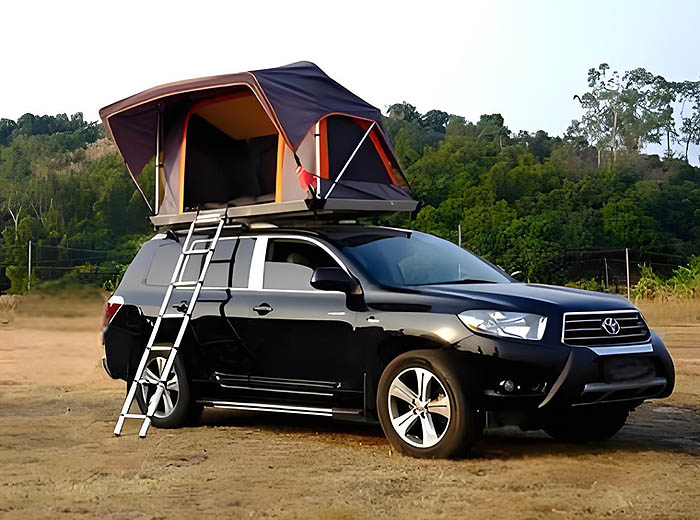
    For SUV owners, the right gear elevates camping and road trips to new heights of comfort, versatility, and adventure. SUV-adaptable tents and roof top tents (RTTs) revolutionize outdoor travel by offering unmatched convenience and functionality. These innovative car camping tents integrate seamlessly with your vehicle, creating flexible campsites without compromising comfort. Whether you’re an off-road enthusiast, family camper, or weekend getaway traveler, this guide delves into everything you need to know about SUV tents and roof top tents to elevate your journey experience.

    SUV Tent

    What are SUV tents and roof top tents?

    SUV tents refer to portable shelter systems designed specifically for SUVs, which attach or integrate onto the vehicle. Primary categories include:

    • Roof Top Tents (RTT): Hard-shell or soft-shell tents permanently or semi-permanently mounted on the vehicle’s roof rack or crossbars. They unfold upward or sideways to create an elevated sleeping area.
    • SUV Annex Tents (Side Awings & Rear Tents): These include side awnings and rear hatch tents that attach to the vehicle’s sides or rear, creating extended living space, screened-in rooms, or weatherproof entrances.
    • Hybrid & Expandable Designs: Some models combine multiple functions, such as a roof top tent with an attached room or a ground tent directly connecting to the SUV’s tailgate.

    The primary purpose of these vehicle attached tents is to expand an SUV’s utility, enhancing convenience, comfort, and safety for off-road camping, road trips, and outdoor adventures.

    Advantages of SUV Tents and Roof Top Tents

    • Superior Comfort and Convenience: Directly attached to your SUV, they allow easy access to the vehicle’s air conditioning, 12V power outlets, and stored gear. Roof top tents typically feature built-in high-density camping mattresses, offering far greater sleeping comfort than traditional ground tents.
    • Enhanced Safety and Elevated Sleeping Height: A key advantage of rooftop tents is their elevated sleeping platform. This effectively isolates you from ground moisture, wildlife disturbances, and uneven terrain, ensuring a dry and secure sleeping environment—crucial for off-road travel safety.
    • Maximized Space Utilization and Versatility: These tents can create multi-room layouts. The main roof top tent serves as the sleeping area, while side awnings or annex tents provide sheltered spaces for cooking, dining, or storage. This modular design is ideal for family camping and extended trips.
    • Enhanced weather protection: Premium SUV camping tents utilize high-strength polyester or tear-resistant nylon fabrics with exceptional waterproof ratings (e.g., 3000mm+). Seamless vehicle integration creates sealed entrances, delivering superior protection against rain, wind, and insects.
    • Quick Setup and Packing: Modern roof top tents utilize pneumatic poles for assisted opening, while SUV rooftop tents feature quick-open or roll-up designs. This allows you to set up camp in minutes, saving time and energy after long drives.

    Key Considerations When Choosing

    • Vehicle Compatibility and Load Capacity: Ensure the tent matches your SUV model and that your roof rack system can handle its dynamic (while driving) and static (at rest) loads. Carefully review installation requirements.
    • Materials and Construction: Opt for durable, weatherproof fabrics with UV-resistant coatings. Aluminum or steel poles and reinforced stitching at stress points are crucial for ensuring the tent’s longevity across all seasons.
    • Ventilation and Climate Control: Optimal designs incorporate mesh windows, roof vents, and optional rain covers to manage condensation and airflow. Some premium models even accommodate 12V fans or portable heaters.
    • Additional Practical Features: Consider integrated LED light strips, gear baskets, shoe storage, and ladder access for easy entry/exit. For roof top tents, the hard-shell vs. soft-shell debate centers on aerodynamics, setup speed, and profile.

    Primary Uses and Applications

    • Off-road Travel and Wilderness Exploration: Roof top tents are the gold standard for off-road adventures, providing quick, reliable shelter across unpredictable terrain. Their rapid setup makes them ideal for stealth camping or daily campsite changes.
    • Family Road Trips and Basecamps: An SUV with a roof top tent, paired with a large side awning or annex room, creates the perfect family campsite. Kids can sleep elevated, while the awning provides a communal space for meals and relaxation.
    • Festivals and Outdoor Camping: These tents offer private, comfortable retreats during events. Their distinctive setup also fosters a strong sense of community among fellow road-tripping campers.
    • Photography and Adventure Sports: The roof top tent’s quick setup and elevated vantage point are perfect for photographers and explorers needing to depart early in remote locations.

    Your Outdoor Experience

    For any outdoor enthusiast, investing in a roof top tent or SUV attached tent system is a transformative change. It seamlessly blends the freedom of exploration with the comfort of a private sanctuary, transforming your vehicle into the ultimate adventure companion. From minimalist-friendly hard-shell roof top tents to spacious SUV tent annexes for family trips, the right setup unlocks endless possibilities for camping and road trips.

    Ready to find your perfect SUV camping solution?

    Explore our curated selection of premium roof top tents, SUV awnings, and integrated camping systems. We offer solutions for every vehicle type and adventure style, always prioritizing quality, durability, and smart design. Contact us today for personalized advice or browse our online catalog to start your journey toward unforgettable overlanding and car camping experiences.

  • Self-driving tours for middle-aged and elderly people: Four key points to consider when modifying your roof top tent

    Self-driving tours for middle-aged and elderly people: Four key points to consider when modifying your roof top tent

    Roof Top Tents Are Great, But Installing Them Incorrectly Can Result in Fines!

    During a road trip, 65-year-old Li Gang paid a heavy price when his newly installed roof top tent was fined and forcibly removed. Like many campers, he did not realize that incorrect installation could turn his dream camping equipment into a legal and safety hazard.

    Roof top tent

    Whether you are a retiree exploring scenic routes or an adventure enthusiast, choosing the right roof top tent (RTT) and installing it correctly is crucial. This article covers everything from comparisons between hard-shell and soft-shell tents to laws and regulations and expert installation techniques.

    1. Laws and regulations: Avoid fines and ensure safety

    • Do not exceed the height limit: After installing a roof top tent, the height from the roof of the car must not exceed 50 cm, otherwise you may be fined 200 yuan as soon as you hit the road! Pay special attention to the height of the luggage rack itself, and do not exceed the limit after stacking the tent.
    • Vehicle Type Compatibility: For standard sedans or small SUVs without factory-installed load-bearing roof racks, forcing installation may damage the roof’s A and B pillars, posing a rollover risk. It is recommended to modify vehicles such as SUVs, mid-to-large SUVs, or MPVs.
    • Do Not Remove Seats During Modification: Some drivers remove seats to create space, which constitutes illegal modification! If detected by traffic police, the vehicle will be impounded.

      2. Hard shell tent vs. soft shell tent: which one is best for you?

      Hard top roof top tent (convenient and durable)

      • Advantages: One-touch automatic opening and closing, strong wind and rain resistance, suitable for middle-aged and elderly people with weak physical strength.
      • Disadvantages: Heavy (generally over 60 kg), high price, significant increase in fuel consumption, equivalent to carrying an extra adult.

      Soft top roof top tent (Best for budget and flexibility)

      • Advantages: Lightweight and economical, suitable for car owners with limited budgets.
      • Disadvantages: Difficult to set up, prone to mold when stored in rainy weather, more suitable for people who are agile and like to do things themselves.

      Hard-shell roof top tents are suitable for people who value quick setup and durability. For budget-conscious campers who don’t mind manual setup, soft-shell RTTs are more suitable.

      3. Roof Top Tent Installation: Safety Tips

      • The luggage rack must be sturdy enough: it must be able to bear 1.5 times the weight of the tent. For example, for a 60 kg tent, the luggage rack must have a dynamic load capacity of at least 90 kg. Before installation, use a weighing scale to measure the load capacity of the crossbar.
      • Add washers to the fixing screws: Bumpy roads can cause loosening, so add rubber washers to the contact surface between the screws and the roof to prevent noise and protect the car paint.
      • Place the ladder at an angle for greater stability: The angle between the tent ladder and the ground should be less than 60 degrees, and the bottom should be tied with a non-slip strap. Wrap the ladder crossbar with fluorescent tape so that you won’t step on it at night.
      • Carry emergency tools: Keep a ratchet wrench and spare screws by the driver’s seat. In case of extreme weather, you can quickly dismantle the tent.

      4. Comfort and safety upgrades for the elderly

      • Is climbing a regular ladder too strenuous? Customize a Z-shaped folding staircase with steps widened to 30 centimeters and anti-slip sleeves on the handrails, making it easy for those with knee issues to climb up and down.
      • In mountainous areas at night, temperatures are low. Use a 12V car electric blanket (power ≤ 50W) placed under a moisture-proof pad, plugged into the cigarette lighter, which is safer than bringing a gas canister.
      • Install a foldable toilet bag on the side of the tent to solve the issue of getting up at night. Note! Waste must be disposed of in public restrooms at service areas; do not dump it randomly in the wild.

        Ultimate Tips for Easy Roof Camping

        • Check local laws before traveling—regulations vary by region.
        • Inspect bolts and seams before each trip to prevent accidents.
        • Prepare an emergency tool kit (wrench, spare screws, sealant).

        Choose the right roof top tent (hard-shell or soft-shell) and follow these guidelines to enjoy a safe, legal, and comfortable adventure under the stars!