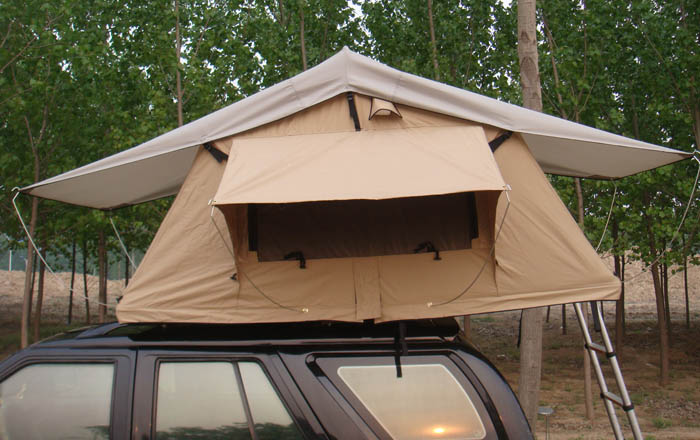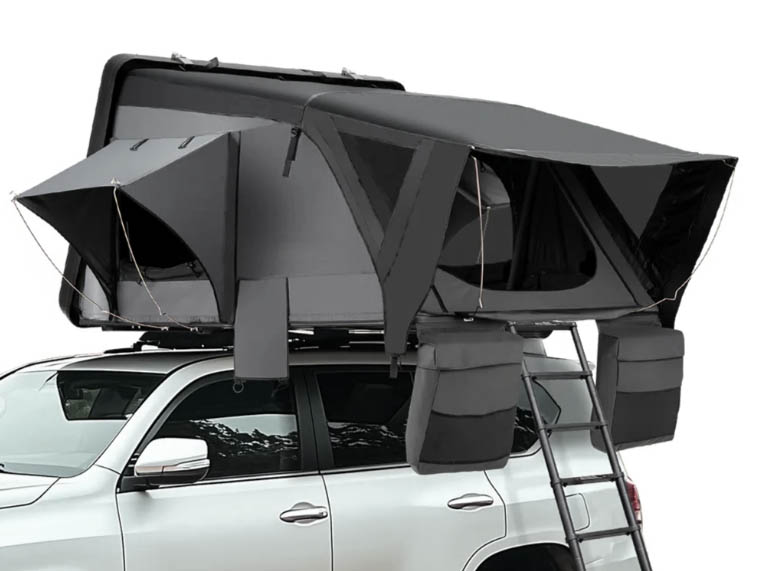
Tag: car roof tent

  • Won’t a Roof Top Tent Directly Crush the Roof?

    Won’t a Roof Top Tent Directly Crush the Roof?

    With the growing popularity of road trips and outdoor adventures, roof top tents and rooftop cargo boxes have become essential gear for modern campers. However, many people hold misconceptions about the weight of a roof tent and worry that it might damage their vehicle. So, can a roof top tent actually crush your car? How much weight can a car roof really support? Let’s explore the facts.

    Will a Roof Top Tent Damage Your Car?

    Roof top tent

    First and foremost, roof top tents are engineered and rigorously tested to ensure they do not harm your vehicle. The weight and mounting system of a vehicle rooftop tent fall well within the manufacturer’s specified load limits, making them a safe and reliable option for overlanding and camping.

    How Much Weight Can a Car Roof Handle?

    A vehicle’s roof strength largely depends on its structural pillars—A, B, C, and D—which are made from high-strength materials. Even under significant pressure, such as 600 pounds concentrated on one side, a well-designed roof should not deform. It’s important to note that standard tests usually apply force to one side at a time. If weight were evenly distributed across both sides, the total load capacity would be even greater.

    For example, a typical roof top tent plus three occupants may weigh between 200–300 kg. Most small cars weigh over 1,000 kg. Assuming a conservative roof strength rating of 2.5 times the vehicle’s weight, the roof can support at least 2,500 kg on one side—roughly eight times the combined weight of the tent and campers. Structurally speaking, your car roof is more than capable of handling a roof tent safely.

    Key Considerations for Safe and Long-Term Use

    To maintain vehicle safety and preserve your car’s condition, follow these essential guidelines:

    1. Avoid Overloading

    Always ensure that the total weight of your roof top tent, plus any additional gear, does not exceed your vehicle’s official roof load limit (usually 50–100 kg). Also, adhere to the weight rating of your roof rack or crossbars.

    2. Correct Installation

    Use only manufacturer-approved roof racks or roof tent mounting kits, and follow installation instructions precisely. Ensure all mounting points are secure. Frequent removal and reinstallation may cause wear to paint or fasteners.

    3. Regular Maintenance

    Most roof racks are made from aluminum, which resists rust but can develop discoloration from acidic rain, pollutants, or cleaning agents. Gently clean the rack and tent base periodically, and inspect rubber seals and hardware for signs of wear.

    4. Secure Locking

    Always use integrated locks or add a security kit to prevent theft or accidental detachment. Lock the tent before driving and remove the key when parked.

    Conclusion
    Roof top tents are designed and tested to be completely safe for your vehicle when used correctly. With a roof’s load capacity far exceeding the combined weight of the tent and its occupants, you can confidently invest in a roof top tent for your adventures. Equip yourself with the right knowledge, follow the guidelines, and enjoy the freedom of rooftop camping on your next overland journey!

  • The Complete Guide to How to Install a Roof Top Tent

    The Complete Guide to How to Install a Roof Top Tent

    Introduction to Roof Top Tents

    Roof top tents (RTTs) are a boon for off-road and camping enthusiasts, enhancing comfort while effectively shielding against harsh ground weather and offering quick, convenient setup. However, the key to a safe and enjoyable journey lies in correctly and securely installing your roof top tent.

    Roof top tent

    Key Considerations Before Purchasing a Roof Top Tent

    1. Roof Top Tent Weight and Vehicle Load Capacity

      Roof top tents typically weigh between 100 and 200 pounds or more. Your vehicle must safely support this weight both while driving and when stationary.

      • Dynamic Load Capacity (Driving Weight): This is the maximum weight your vehicle’s roof and roof rack system can safely bear while in motion. Exceeding this limit may cause structural damage, compromise handling, and increase fuel consumption due to drag.
      • Static Load Capacity (Stationary Weight): This is the weight the roof can bear when parked, typically 3-4 times the dynamic load capacity. It must support the combined weight of the roof tent and its occupants.

      Action: Consult your vehicle’s owner’s manual or rating plate (usually located on the driver’s side door frame) for specific dynamic and static roof load ratings. Never exceed the dynamic load capacity while driving, and ensure the combined weight of the tent and occupants remains below the static load capacity when camping.

      2. Selecting the Right Roof Rack or Crossbars

        Your roof rack is the critical component connecting your vehicle to the tent. An improper rack poses significant safety risks.

        Assess Your Current Setup: Does your vehicle have factory-installed longitudinal rails or mounting points? You may need to add compatible crossbars or a complete roof rack system.

        Support System Types:

        • Full-Size Roof Rack Platforms: Ideal for frequent campers and off-road travelers. They provide a large, stable base that evenly distributes the weight of the roof tent, enhancing safety, and often offer additional gear storage space.
        • Crossbars (Rails): Suitable for occasional use. Ensure their load capacity sufficiently supports your specific roof top tent’s weight. Tent manuals specify required length and thickness. Typically requires high-strength, aftermarket crossbars.

        Pro Tip: Always purchase a roof rack system with a load capacity exceeding both your tent’s weight and any additional gear you plan to carry. This provides critical safety margin.

        Step-by-Step Guide: How to Install a Roof Tent

        After properly installing the appropriate roof rack on your vehicle, follow these steps to safely mount the roof top tent.

        1. Read the Manual: Carefully review the installation instructions for your purchased roof tent. Mounting hardware and procedures can vary significantly between brands and models.
        2. Prepare Tools and Helpers: Gather all necessary tools (e.g., appropriate wrenches, Allen keys, screwdrivers). Have at least one helper; lifting the roof tent is best done by two people for safety and convenience.
        3. Inventory All Components: Unpack and inspect all parts: mounting brackets, U-bolts, bolts, nuts, washers, ladder, travel cover, and all rails. Missing any bolt compromises safety.
        4. Inspect Roof Rack & Vehicle Roof: Ensure the roof rack or crossbars are completely clean, securely fastened, and undamaged. Check your vehicle roof for any imperfections.
        5. Assemble mounting hardware (if required): Many tents include rails or sliders that must first attach to the tent base. Assemble correctly following the manual.
        6. Position and secure the tent: With an assistant, carefully lift the roof tent and place it centrally on the roof rack. Align the mounting points. Thread bolts or U-bolts through the tent brackets and around the rack, but do not fully tighten them yet.
        7. Final Tightening and Torque: This step is critical. Similar to tightening car tires, progressively tighten all bolts in a crisscross pattern to ensure even pressure distribution. Use a torque wrench to tighten according to the manufacturer’s specifications (found in the manual). Over-tightening may damage components, while insufficient tightening can lead to dangerous loosening.
        8. Attach Ladder and Accessories: Mount the ladder at the designated mounting points. Secure the tent travel cover, ensuring it fits snugly against the tent to prevent flapping and wear during travel.
        9. Pre-Departure Safety Check: Gently attempt to move the tent. It should not shift. Re-check the tightness of all bolts. Conduct a final visual inspection.

        With thorough preparation, understanding your vehicle’s load capacity, and selecting a sturdy roof rack system, installing a roof top tent is straightforward. Follow this guide and manufacturer instructions to ensure a safe, reliable mobile home. A well-installed RTT not only elevates your camping comfort but also becomes a portal to countless spontaneous adventures, blending the freedom of the outdoors with the convenience of a quick and cozy shelter.

      1. How to Reduce Wind Noise and Aerodynamic Drag from Your Roof Top Tent

        How to Reduce Wind Noise and Aerodynamic Drag from Your Roof Top Tent

        With the growing popularity of off-road travel and outdoor adventures, more people are choosing roof tents to meet their camping needs. While roof tents offer convenience and a unique sleeping experience, they also introduce significant air resistance and wind noise. These issues not only affect the vehicle’s fuel economy but also compromise driving comfort and stability.

        Roof Top Tent

        So how can you reduce the wind resistance and noise caused by roof tents?

        1. Choose a Low-Profile, Aerodynamic Roof Top Tent

          The design and materials of a roof top tent critically influence its interaction with airflow. Typically, streamlined, low-profile hard-shell roof top tents offer greater aerodynamic advantages than bulky soft-shell tents. Many modern roof tents incorporate aerodynamic optimization through curved surfaces and integrated spoilers to slice through air more efficiently. Additionally, lightweight materials like aluminum and composite fabrics help reduce overall weight and wind resistance.

          2. Install a Wind Deflector or Fairing

            One of the most effective methods to reduce wind noise and drag is installing a spoiler (also known as a fairing). This accessory mounts to the front of roof racks or crossbars, helping to channel airflow upward and over the tent. By smoothing the transition between the windshield and the tent, fairings can significantly reduce flutter, noise, and resistance.

            3. Use a Roof Rack Spoiler or Vortex Generators

              For larger roof tents, adding a roof rack spoiler or vortex generator can further enhance aerodynamic performance. These devices help control air turbulence around the tent, reducing low-pressure zones behind it and thereby lowering wind resistance. Some aftermarket suppliers offer custom aerodynamic kits specifically designed for roof top tents.

              4. Ensure Proper Installation and Regular Maintenance

                Improperly installed roof top tents exacerbate wind resistance issues. Before departure, thoroughly inspect all mounting points, roof racks, and brackets for secure fastening. Over time, vibration can loosen bolts and fasteners, increasing noise and posing potential safety hazards. Regularly inspect and maintain your tent and roof rack system to ensure all components remain tight and in good condition.

                5. Optimize Weight Distribution

                  How you load your vehicle and roof top tent affects handling and aerodynamics. Avoid overloading the roof, as excessive weight raises the vehicle’s center of gravity and increases wind resistance. Distribute weight evenly whenever possible, storing heavier items inside the cabin. Balanced loading improves fuel efficiency and driving stability.

                  6. Add Sound Damping Mats

                    To effectively reduce wind noise, consider installing sound damping mats or materials between the roof rack and the vehicle roof. These materials minimize vibrations and road noise transmitted into the cabin. Some users also line the interior of hard-shell tents with acoustic foam for a quieter sleeping environment.

                    7. Remove Accessories When Not in Use

                      Accessories like ladders, awnings, or storage boxes increase wind resistance and noise. If you’re not using them, consider removing them during transport. Some modern roof tents feature removable components specifically for this purpose.

                      8. Adjust Your Driving Habits

                        Sometimes, the simplest solution is to slow down. Wind noise and drag increase exponentially with speed. By maintaining moderate speeds, especially on highways, you can significantly reduce noise levels and improve fuel efficiency.

                        9. Consider Roof Top Tents with Integrated Spoilers

                          Some newer roof top tents feature built-in spoilers or deflectors. These integrated designs minimize the need for extra accessories and are engineered from the start to reduce wind resistance.

                          10. Test and adjust your setup

                            Every vehicle-roof tent combination is unique. Test your setup at various speeds and note noise sources. Minor adjustments to tent angle or positioning, or adding aftermarket aerodynamic aids, can yield significant results.

                            Roof top tents don’t inherently mean howling winds and soaring fuel consumption. By selecting the right tent, strategically using accessories like deflectors and spoilers, and maintaining your gear properly, you can enjoy a quiet and efficient off-road travel experience. Whether planning a weekend getaway or a cross-country expedition, these tips will help you fully embrace the joys of roof top camping.

                            For more guides on roof top tent installation, maintenance, and camping techniques, stay tuned to our website.

                          1. Roof Top Tent vs. Sleeping in Your Car: Which is More Comfortable and Practical?

                            Roof Top Tent vs. Sleeping in Your Car: Which is More Comfortable and Practical?

                            Why are more travelers choosing roof top tents?

                            As road trips and overland travel grow increasingly popular, traditional camping methods often fail to meet travelers’ needs. Roof top tents (RTTs) have emerged as a game-changer, offering superior waterproofing, moisture resistance, protection from insects and snakes, comfort, and privacy. This article explores the practicality and comfort of roof top tents, compares them to sleeping inside vehicles, and highlights key factors to consider before purchasing.

                            Types of Roof Top Tents

                            Roof top tents come in various designs to suit different needs and budgets. Here are the most common types:

                            1. Soft Shell Roof Top Tents

                            Soft shell RTTs are an affordable option, typically priced between ¥3,000 and ¥5,000. They offer more interior space but require manual setup, which can be time-consuming. These are ideal for campers who prioritize space and don’t mind spending extra time on installation.

                            2. Hard Shell Roof Top Tents

                            Hard shell RTTs feature a durable exterior and are often equipped with electric motors for quick setup and takedown—sometimes in just seconds. While they are heavier and more expensive (starting at ¥6,000 and going up to tens of thousands), their convenience makes them a favorite among frequent travelers.

                            3. Hydraulic Semi-Automatic Roof Top Tents

                            Combining the best of both worlds, hydraulic RTTs offer quick deployment like hard shell models and the affordability of soft shell tents. They are currently the most popular type on the market. However, their space is somewhat limited, accommodating only 2–3 people.

                            Choosing the Right Rooftop Tent:
                            If you enjoy hands-on setups and want to save money, a manual soft shell tent may be suitable. For those seeking convenience and speed, an automatic hard shell or hydraulic model is the way to go.

                            Roof top tent

                            Is a Roof Top Tent Practical?

                            A roof top tent is an excellent investment for regular campers and overlanding enthusiasts. Here’s why:

                            • Freedom and Flexibility:
                              With an RTT, you’re not tied to hotel reservations or schedules. You can camp wherever the scenery captivates you—whether it’s a secluded beach or a mountain overlook.
                            • Weather and Pest Resistance:
                              Roof top tents are designed to withstand rain, wind, moisture, insects, and even snakes. Their elevated design also provides better insulation and noise reduction, ensuring a peaceful night’s sleep.
                            • Cost-Effectiveness:
                              While the initial investment (starting at ¥5,000) may seem high, frequent travelers can recoup the cost by saving on hotel expenses. In popular travel destinations like Xinjiang and Tibet, where accommodations are scarce or overpriced, an RTT pays for itself quickly.

                            However, if you only camp occasionally, a roof top tent may not be the most practical choice. For avid adventurers, though, it’s a worthwhile upgrade.

                            Roof Top Tent vs. Sleeping in Your Car: Which Is More Comfortable?

                            Many people have tried sleeping in their cars, only to face discomfort and inconvenience. Here’s a comparison:

                            1. Sleeping in Your Car:

                            • Limited Space: The seats don’t allow for a fully stretched-out position, leading to poor sleep quality.
                            • Ventilation Issues: In summer, the car can become stuffy and hot. Opening windows invites mosquitoes and compromises security.
                            • Lack of Privacy: Changing clothes or moving around inside the car can be awkward, especially in crowded areas.

                            2. Roof Top Tent Advantages:

                            • Spacious and Comfortable: Most RTTs can comfortably fit 2–3 people and come with thick, insulated mattresses for added comfort.
                            • Better Airflow: Designed with ventilation in mind, RTTs allow fresh air to circulate without letting bugs in.
                            • Privacy: The elevated design creates a secluded space, making it easy to change clothes or relax without worrying about prying eyes.

                            Roof Top Tent Pros and Cons

                            1. Pros:

                            • Enhanced Safety:
                              Elevated above the ground, RTTs keep you safe from wildlife, insects, and flooding. They also provide better protection against harsh weather conditions.
                            • Convenience and Flexibility:
                              With a roof top tent, you can turn any scenic spot into a campsite without worrying about hotel availability or prices.
                            • Comfortable Sleeping Space:
                              Unlike cramped car interiors, RTTs offer ample room to lie flat, move around, and enjoy a restful sleep.
                            • Superior Privacy:
                              The enclosed design ensures complete privacy, making it ideal for families and solo travelers alike.

                            2. Cons:

                            • High Initial Cost:
                              Roof top tents are significantly more expensive than ground tents. However, their durability and long-term savings on accommodations can justify the investment.
                            • Increased Fuel Consumption:
                              Adding a roof top tent (weighing around 60 kg) increases wind resistance and weight, leading to higher fuel costs—a important consideration with today’s gas prices.
                            • Other Drawbacks:
                              Rooftop camping isn’t suitable for those with a fear of heights. Additionally, installation and removal can be cumbersome, and accessing the tent may require a ladder, which some users find inconvenient.

                            How to Choose the Best Roof Top Tent for Your Needs

                            Before purchasing a roof top tent, consider the following:

                            • Vehicle Compatibility: Ensure your car’s roof rack can support the tent’s weight.
                            • Frequency of Use: Frequent campers should invest in a durable, automatic model, while occasional users may prefer a budget-friendly manual option.
                            • Storage: Hard shell RTTs are easier to store when not in use, while soft shell models may require more space.

                            For outdoor enthusiasts prioritizing freedom and convenience, roof top tents offer a practical, comfortable, and secure solution. While requiring a higher upfront investment and potentially slightly increasing fuel consumption, their advantages—including privacy, weather resistance, and comfort—make them a superior alternative to traditional tents and car camping.

                            Whether planning weekend getaways or off-road road trips, a roof top tent can transform your travel experience, allowing you to explore freely without any worries.

                          2. Vehicle Tents & Awnings for Camping – Durable & Easy Setup

                            Vehicle Tents & Awnings for Camping – Durable & Easy Setup

                            HC-PA Vehicle Tents & Awnings: Spacious & Travel-Ready

                            HC-PA vehicle tents & awning is a kind of front runner modular awning with the lightest weight and largest canopy cover of all vehicle mountable awning systems. Easy to mount and operate, the awning fits on to the side of a roof rack and it is conveniently stored for immediate use on arrival.

                            Vehicle Tents
                            Vehicle Tents

                            Specification:

                            Fabric420D Polyester Oxford PU 1800mm, W/P,W/R, canvas 280G is available.
                            PoleAluminum Pole 22mm/25mm   
                            Thickness1.2mm 
                            ColorSand Yellow, Olive Green, Grey, Blue or As your needed
                            ZipperResinic Zipper
                            Unfolding Size200*260*150-260CM(Telescopic Poles)
                            Packing Size265*10*10cm in carton
                            G.W. /N.W:13.5KGS/12.5KGS
                            Lead time20-30 days

                            Key Features:

                            ✔ All-in-one storage – Bedding stays inside while driving.
                            ✔ Quick deployment – Ready to use in minutes.
                            ✔ Durable construction – High-quality fabrics for all weather.
                            ✔ Space-saving – Frees up cargo room in your vehicle.

                            Why Choose Our Vehicle Awnings?

                            • Fastest Setup – Deploys in under 2 minutes for instant shade.
                            • Universal Mounting – Fits most roof racks with non-permanent straps.
                            • Wind-Resistant – Reinforced with 4 aluminum poles and 2 wind-resistant rolls.
                            • Heavy-Duty Fabric – Same material as our roof top tents with PVC-reinforced corners for extra durability.
                            • Versatile Use – Compatible with roof tents via zippers or HD hook-and-loop attachments.

                            Perfect for All Outdoor Adventures

                            Whether you’re camping, overlanding, or tailgating, our vehicle tents and awnings provide:

                            • Flexible positioning – Adjustable height and angle.
                            • All-inclusive kit – Includes mounting brackets, bolts, and pegs.
                            • Double-stitched seams – Enhanced strength for long-term use.

                            FAQ

                            Q: How do I mount the HC-PA awning on my vehicle?
                            A: It easily attaches to roof racks with adjustable straps—no permanent installation needed!

                            Q: Can the roof top tent withstand heavy rain or wind?
                            A: Yes! Our vehicle tents and awnings are made from weather-resistant fabrics and reinforced with aluminum poles for stability.

                            Q: Is setup really that fast?
                            A: Absolutely! Both the roof tent and awning can be ready in under 2 minutes.

                            Upgrade Your Camping Gear Today!

                            Shop our best-selling vehicle tents and awnings for your next adventure. Durable, easy to use, and built for the outdoors!