
Why are more travelers choosing roof top tents?
As road trips and overland travel grow increasingly popular, traditional camping methods often fail to meet travelers’ needs. Roof top tents (RTTs) have emerged as a game-changer, offering superior waterproofing, moisture resistance, protection from insects and snakes, comfort, and privacy. This article explores the practicality and comfort of roof top tents, compares them to sleeping inside vehicles, and highlights key factors to consider before purchasing.
Types of Roof Top Tents
Roof top tents come in various designs to suit different needs and budgets. Here are the most common types:
1. Soft Shell Roof Top Tents
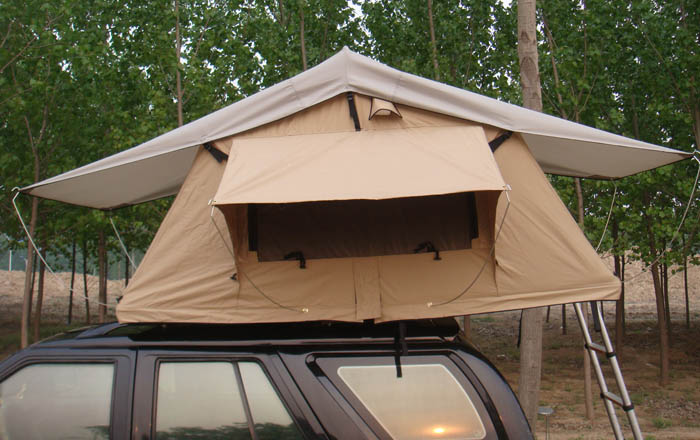
Soft shell RTTs are an affordable option, typically priced between ¥3,000 and ¥5,000. They offer more interior space but require manual setup, which can be time-consuming. These are ideal for campers who prioritize space and don’t mind spending extra time on installation.
2. Hard Shell Roof Top Tents
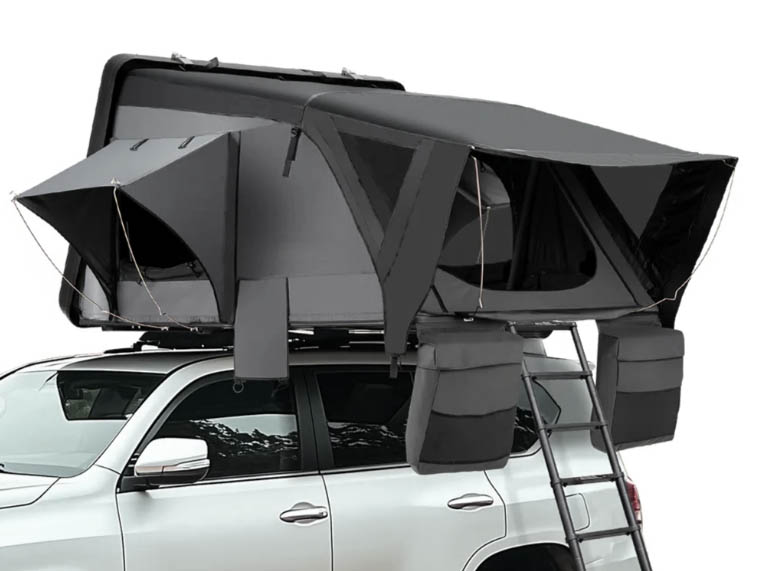
Hard shell RTTs feature a durable exterior and are often equipped with electric motors for quick setup and takedown—sometimes in just seconds. While they are heavier and more expensive (starting at ¥6,000 and going up to tens of thousands), their convenience makes them a favorite among frequent travelers.
3. Hydraulic Semi-Automatic Roof Top Tents
Combining the best of both worlds, hydraulic RTTs offer quick deployment like hard shell models and the affordability of soft shell tents. They are currently the most popular type on the market. However, their space is somewhat limited, accommodating only 2–3 people.
Choosing the Right Rooftop Tent:
If you enjoy hands-on setups and want to save money, a manual soft shell tent may be suitable. For those seeking convenience and speed, an automatic hard shell or hydraulic model is the way to go.

Is a Roof Top Tent Practical?
A roof top tent is an excellent investment for regular campers and overlanding enthusiasts. Here’s why:
- Freedom and Flexibility:
With an RTT, you’re not tied to hotel reservations or schedules. You can camp wherever the scenery captivates you—whether it’s a secluded beach or a mountain overlook. - Weather and Pest Resistance:
Roof top tents are designed to withstand rain, wind, moisture, insects, and even snakes. Their elevated design also provides better insulation and noise reduction, ensuring a peaceful night’s sleep. - Cost-Effectiveness:
While the initial investment (starting at ¥5,000) may seem high, frequent travelers can recoup the cost by saving on hotel expenses. In popular travel destinations like Xinjiang and Tibet, where accommodations are scarce or overpriced, an RTT pays for itself quickly.
However, if you only camp occasionally, a roof top tent may not be the most practical choice. For avid adventurers, though, it’s a worthwhile upgrade.
Roof Top Tent vs. Sleeping in Your Car: Which Is More Comfortable?
Many people have tried sleeping in their cars, only to face discomfort and inconvenience. Here’s a comparison:
1. Sleeping in Your Car:
- Limited Space: The seats don’t allow for a fully stretched-out position, leading to poor sleep quality.
- Ventilation Issues: In summer, the car can become stuffy and hot. Opening windows invites mosquitoes and compromises security.
- Lack of Privacy: Changing clothes or moving around inside the car can be awkward, especially in crowded areas.
2. Roof Top Tent Advantages:
- Spacious and Comfortable: Most RTTs can comfortably fit 2–3 people and come with thick, insulated mattresses for added comfort.
- Better Airflow: Designed with ventilation in mind, RTTs allow fresh air to circulate without letting bugs in.
- Privacy: The elevated design creates a secluded space, making it easy to change clothes or relax without worrying about prying eyes.
Roof Top Tent Pros and Cons
1. Pros:
- Enhanced Safety:
Elevated above the ground, RTTs keep you safe from wildlife, insects, and flooding. They also provide better protection against harsh weather conditions. - Convenience and Flexibility:
With a roof top tent, you can turn any scenic spot into a campsite without worrying about hotel availability or prices. - Comfortable Sleeping Space:
Unlike cramped car interiors, RTTs offer ample room to lie flat, move around, and enjoy a restful sleep. - Superior Privacy:
The enclosed design ensures complete privacy, making it ideal for families and solo travelers alike.
2. Cons:
- High Initial Cost:
Roof top tents are significantly more expensive than ground tents. However, their durability and long-term savings on accommodations can justify the investment. - Increased Fuel Consumption:
Adding a roof top tent (weighing around 60 kg) increases wind resistance and weight, leading to higher fuel costs—a important consideration with today’s gas prices. - Other Drawbacks:
Rooftop camping isn’t suitable for those with a fear of heights. Additionally, installation and removal can be cumbersome, and accessing the tent may require a ladder, which some users find inconvenient.
How to Choose the Best Roof Top Tent for Your Needs
Before purchasing a roof top tent, consider the following:
- Vehicle Compatibility: Ensure your car’s roof rack can support the tent’s weight.
- Frequency of Use: Frequent campers should invest in a durable, automatic model, while occasional users may prefer a budget-friendly manual option.
- Storage: Hard shell RTTs are easier to store when not in use, while soft shell models may require more space.
For outdoor enthusiasts prioritizing freedom and convenience, roof top tents offer a practical, comfortable, and secure solution. While requiring a higher upfront investment and potentially slightly increasing fuel consumption, their advantages—including privacy, weather resistance, and comfort—make them a superior alternative to traditional tents and car camping.
Whether planning weekend getaways or off-road road trips, a roof top tent can transform your travel experience, allowing you to explore freely without any worries.