
Tag: Roof top tents

  • What materials are used in roof top tents and how to choose them

    What materials are used in roof top tents and how to choose them

    Understanding the materials used in roof top tents

    Roof top tents have become a popular choice among outdoor enthusiasts, offering comfort and convenience during trips. One of the most important factors to consider when choosing a roof tent is the material. The material of the tent affects its durability, weight, waterproofing, and overall comfort.

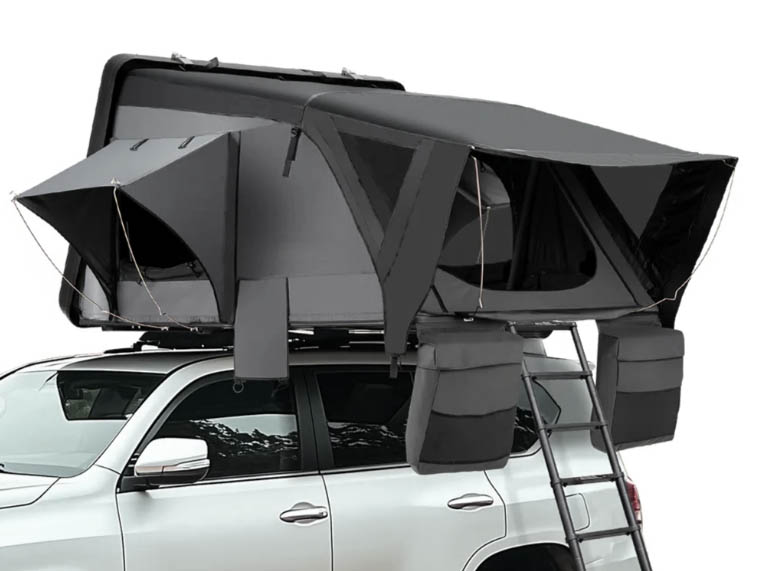
    HC-ABS01 Hard Shell Roof Tent

    1. ABS and Fiberglass

    Many high-end roof tents are made from ABS (acrylonitrile butadiene styrene copolymer) and fiberglass. These materials are renowned for their durability and waterproof properties, making them an ideal choice for long-term outdoor use.

      • ABS: ABS is a sturdy yet lightweight material commonly used for tent shells. It offers excellent durability and impact resistance. Some models combine ABS with UV-resistant coatings to protect the tent from sun damage. However, prolonged exposure to harsh weather conditions can cause the tent to fade and oxidize.
      • Fiberglass: Fiberglass is another common material used for car roof tent shells. It is strong while keeping the tent lightweight. Compared to ABS, fiberglass also has excellent UV resistance and is less prone to fading. However, compared to ABS, fiberglass is more prone to cracking under extreme pressure.

      2. Aluminum Alloy

      Aluminum alloy is the top-tier material used in high-end roof top tents. It is highly regarded for its lightweight properties and wind resistance.

        • Advantages: Made from aerospace-grade aluminum alloy, these tents are extremely lightweight and easy to set up, while also effectively withstanding strong winds and other harsh weather conditions.
        • Disadvantages: Although aluminum alloy has many advantages, it is often heavier than other materials, which may affect portability. Additionally, aluminum alloy tents are typically more expensive.

        3. Oxford Fabric

        Oxford fabric is a commonly used material for the main body of tents. Due to its affordability, durability, and waterproof properties, Oxford cloth is often used in mid-range rooftop tents.

          • 600D Oxford fabric: This material is widely used for its excellent waterproof performance, with a waterproof rating of up to 3,000 mm water column. It is eco-friendly and mold-resistant, making it an ideal choice for long-distance camping.
          • Applications: Oxford fabric is typically used for tent walls and linings, providing a comfortable and breathable sleeping space.

          4. Special Coatings and Treatments

          To enhance the performance of rooftop tents, many manufacturers apply special coatings and treatments to the tent shells.

            • UV-resistant coating: Some tents feature UV-resistant coatings to protect the fabric from sun damage and aging, extending the tent’s lifespan and helping to maintain its color.
            • Waterproof coating: Tents with waterproof coatings remain effective even in heavy rain. These tents’ shells are typically treated with waterproofing agents to ensure they perform well in humid conditions.

            5. Memory foam and insulation layers for enhanced comfort

            To enhance comfort, some high-end rooftop tents are equipped with memory foam mattresses and insulation layers.

              • Memory foam: These tents feature memory foam mattresses that conform to your body’s contours, providing a more comfortable sleeping experience. They are ideal for campers who want a good night’s sleep after a day of outdoor activities.
              • Insulation layers: Some models include additional insulation layers to regulate internal temperature. These tents perform perfectly in both hot and cold climates, ensuring comfort regardless of weather conditions.

              Key considerations when choosing a rooftop tent

              • Weight: Aluminum roof tents are lightweight and easy to carry, but may be heavier than inflatable tents. If you need a tent that is easy to transport, consider the weight factor.
              • Inflatable tents: Inflatable roof tents are lighter (typically 30-40 kg) and easy to set up. However, they require regular checks to maintain air pressure and prevent leaks.
              • Durability: Materials like ABS, fiberglass, and aluminum alloy offer long-lasting durability. However, ensure the tent is well-maintained to avoid issues like oxidation or cracking.

              By understanding the different materials and their advantages, you can choose the roof tent that best suits your needs. Whether you prioritize durability, comfort, or convenience, there is a roof tent perfect for your adventure.
            1. Is a roof top tent worth buying? Real experience + purchasing advice

              Is a roof top tent worth buying? Real experience + purchasing advice

              Real-life experience with roof top tents: comprehensive analysis of pros and cons

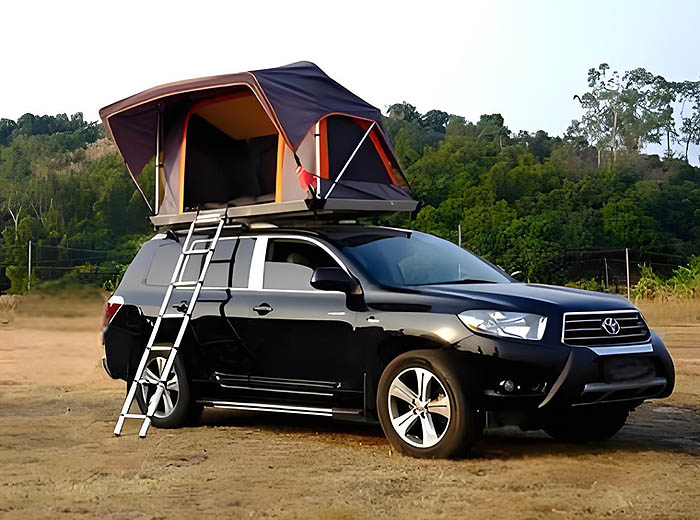
              As a seasoned camping enthusiast, I have tried various camping tents and ultimately chose a roof top tent (RTT). After many self-driving camping tests, I found that it does have unique advantages, but there are also some limitations. Below, I will analyze the pros and cons of roof top tents in detail in terms of comfort, convenience, and applicable scenarios, and give purchasing advice.

              Roof top tent

              Eight advantages of roof top tents

              1. Sleeping off the ground greatly improves comfort: Say goodbye to damp ground and dew penetration, with significant moisture and insect protection. The built-in high-density mattress is more comfortable than ordinary camping tents and provides higher quality sleep.
              2. Excellent view, enjoy the beauty of camping: Wake up in the early morning to enjoy the sunrise and starry sky, and the high altitude view makes the camping experience more romantic.
              3. Greater safety, away from wild animals: When camping in the wild, the off-ground design reduces snake and insect disturbances, making it particularly suitable for environments such as jungles and grasslands.
              4. Quick to set up, saving time: Compared with traditional tents, roof top tents can be set up in 3-5 minutes, making them particularly suitable for self-driving tours and short camping trips.
              5. Not picky about terrain, highly adaptable: As long as the vehicle can be parked (with all four wheels on the ground), it can be set up, regardless of the ground conditions or slope.
              6. Saves space in the car and allows for more flexible luggage storage: The tent is fixed to the roof, allowing more camping equipment to be stored in the car or more people to ride in it.
              7. Compact footprint, suitable for tight campsites: Only one parking space is required, eliminating the need for additional camping space, making it ideal for RV campgrounds, national parks, and other areas with strict space restrictions.
              8. Keeps the interior clean for a more comfortable camping experience: A shoe bag is provided next to the ladder, requiring users to remove their shoes when entering or exiting the tent, reducing dirt and sand from entering and making cleaning easier.

                Four major disadvantages of roof top tents

                1. High price and large investment: Compared with ordinary camping tents, roof top tents usually cost between 5,000 and 20,000 yuan, with high-end hard-shell models being even more expensive.
                2. Increases vehicle weight and affects fuel consumption: Long-term installation increases wind resistance, leading to higher fuel consumption (approximately 10%-15% increase).
                3. Dependent on the vehicle, limiting flexibility: Once set up, the vehicle cannot be moved. If temporary travel is needed (e.g., for supplies), the tent must be packed up.
                4. Complex installation requiring a roof rack: Some vehicle models require the installation of a roof rack. Improper installation may affect stability.

                Roof Top Tent vs. Traditional Camping Tent: Which is more suitable for you?

                Comparison itemsRoof Top TentTraditional Camping Tent
                Comfort★★★★★ (off the ground and moisture-proof)★★★ (depends on ground conditions)
                Setup speed★★★★★ (3-5 minutes)★★★ (10-20 minutes)
                Portability★★ (vehicle-dependent)★★★★★ (can be carried on foot)
                Price★★ (expensive)★★★★★ (cost-effective)
                Suitable scenariosSelf-driving camping, Long-distance travelBackpacking, Wilderness survival

                If you often go camping by car and want to improve your sleep quality and setup efficiency, then a roof top tent is definitely worth investing in! However, if you mainly go camping on foot or backpacking, a traditional tent may be more practical.

                Would you choose a roof top tent? Feel free to share your camping experiences in the comments section!