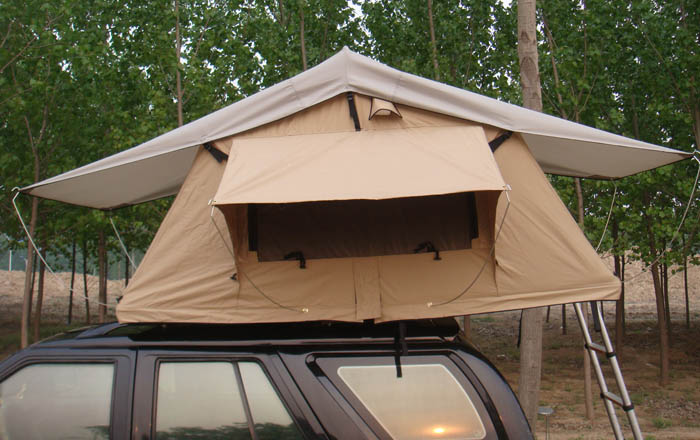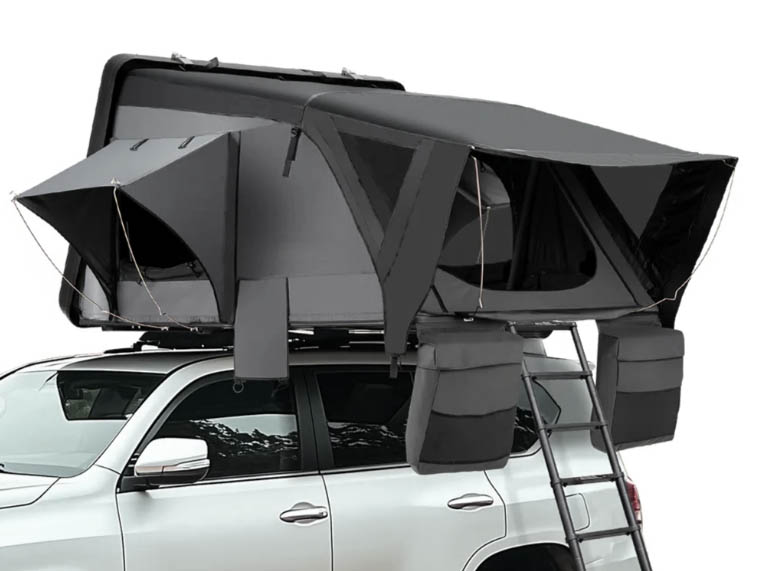
Have you ever wondered: Are roof top tents truly practical? Amidst the surging trend and social media hype, it’s crucial to examine the genuine value and everyday usability of rooftop camping.

In recent years, roof top tents (RTTs) have become a hot topic among outdoor and off-road enthusiasts. Social media is flooded with enticing “road trip camping” photos, and friends often share unforgettable nights spent under the stars in their rooftop tents. But do rooftop tents truly deliver the convenience and adventure promised in their marketing? Or are they merely a fashion accessory?
The Roof Top Tent Market: Growth and Realities
In 2023, China’s roof top tent market experienced significant growth, with sales increasing by 47% year-over-year and the market size exceeding 1.5 billion RMB. Yet behind this boom lies a surprising trend: roof tent repurchase rates remain low, with only 8% of users continuing regular use.
This means that for every 100 roof top tent buyers, only 8 choose to repurchase or use theirs frequently. What about the remaining 92%? Many ultimately leave their roof tents unused at home or list them for sale on secondhand platforms. In Beijing alone, a popular secondhand marketplace lists over 300 roof top tents for sale, typically priced at just 30% to 50% of their original cost—some sold after being used only once. What drives this phenomenon?
Why Users Hesitate: Common Challenges of Rooftop Tents
Interviews with roof top tent users reveal strikingly consistent reasons for dissatisfaction:
1. Complex Installation Process
While roof top tents appear sleek and minimalist, setup is often time-consuming and labor-intensive. Most users require pre-installed roof rack systems, and even experienced campers may spend 1-2 hours on initial assembly. Many tents weigh 40-60 kilograms, demanding considerable strength for both transport and setup.
2. Limited Usage Scenarios
Roof top tents aren’t suitable for all environments. Urban and suburban areas often lack adequate camping spots, restricting use to designated campgrounds or remote off-road destinations. Weather is another critical factor—rain, wind, or extreme temperatures can make rooftop camping inconvenient or even unsafe.
3. Daily Maintenance and Storage
Maintaining, cleaning, folding, and storing a rooftop tent demands considerable time and effort. For casual users, these tasks may outweigh the benefits, reducing overall appeal and repurchase rates.
Who Truly Benefits from a Roof Top Tent?
Despite these challenges, many off-road enthusiasts remain enthusiastic about their roof top tents. One seasoned traveler shared that his rooftop tent has been a reliable companion for three years, accompanying him through Tibet, Xinjiang, Inner Mongolia, and beyond. For him, it offers unparalleled freedom—no hotel reservations needed, just park and camp wherever he pleases. Compared to ground tents, roof tents also offer enhanced safety, keeping sleepers away from dampness, insects, and wildlife disturbances.
However, he also emphasized that roof top tents aren’t for everyone. They’re best suited for those who frequently embark on adventurous trips, undertaking at least five or six long-distance journeys annually. If you only camp occasionally, renting or using a traditional ground tent might be more cost-effective.
Market Trends: Premium vs. Budget Roof Tents
Today’s roof top tent market is evolving into two distinct segments:
- Premium Rooftop Tents: Priced between 15,000 and 30,000 RMB, these feature rapid deployment systems (some motorized, deploying in under 30 seconds), smart control systems, built-in LED lighting, USB ports, and even compact refrigerators. They appeal to seasoned off-roaders seeking comfort and convenience.
- Budget-Friendly Options: Simplified versions priced below RMB 3,000 are now available, targeting casual users or “experiential” campers. However, these tents typically see lower long-term usage rates.
Key Considerations Before Purchasing a Roof Top Tent
- Usage Frequency: If you camp infrequently, consider renting or using a ground tent.
- Vehicle Compatibility: Ensure your car has suitable roof racks and can support the tent’s weight.
- Storage & Setup Difficulty: Assess whether you have adequate space to store the roof tent and the patience to set it up regularly.
- Travel Style: Roof tents excel for road trips, off-road adventures, and remote explorations but may be less suitable for short stays or crowded campgrounds.
Elevate Your Roof Top Tent Experience
To maximize your rooftop camping investment:
- Pair it with complementary gear like a sunshade, portable shower, and solar power system.
- Opt for a four-season tent if camping in colder climates.
- Join off-road travel communities for tips on finding ideal campsites and maintaining your tent.
Is a Roof Top Tent Right for You?
For adventure-seeking travelers, roof top tents can transform their journeys, offering unique advantages in mobility, security, and scenic overnight experiences. However, they aren’t a universal one-size-fits-all solution. While social media may glamorize rooftop camping, practical use demands careful planning, adaptability, and ongoing maintenance.
Before investing, evaluate your travel habits, vehicle configuration, and storage capacity. Whether you choose a high-end rooftop tent or a minimalist design, ensure it aligns with your lifestyle—otherwise, it may end up as just another item on the secondhand market.