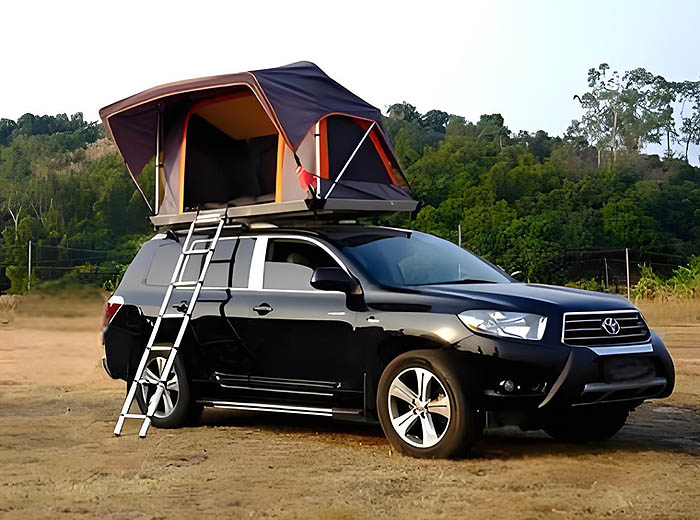
A carefully selected roof top tent not only enhances your sleeping space but also redefines comfort, safety, and efficiency on the road. Compared to traditional ground tents, rooftop tents solve three long-standing pain points: they keep you off damp ground and away from creepy crawlies, save valuable campsite space, and reduce setup time to under two minutes. This makes them the ideal choice for road trippers who move between campsites daily. With the global rooftop tent market growing at an annual rate of over 12%, it’s clear that more adventurers are trading ground pegs for roof racks.

But the biggest dilemma for buyers is: hard shell or soft shell? Which one is lighter? Which roof tent can withstand the test of severe weather? And which one truly suits your vehicle and driving habits? Let’s take a technical look, combined with real-world experience, to break it down for you in detail and reveal some surprises that even seasoned campers might overlook.
What’s the Real Difference Between Hard Shell and Soft Shell Roof Top Tents?
Mainstream roof top tents split into two structural families:
- Hard shell roof top tents—featuring aerodynamic shells made of aluminum alloy, fiberglass, or polycarbonate. When closed, they form a sturdy, low-profile shell-like structure that provides protection from wind and rain. Some high-end models now feature aluminum hard shell roof top tents with pneumatic struts to assist in opening, combining the benefits of both lightness and durability.
- Soft shell roof top tents—feature a foldable fabric canopy (typically made of 280–320 g polyester/cotton blend) supported by telescoping poles. When not in use, they can be folded into a compact soft shell for easy storage. In this category, you’ll find foldable roof top tents (pop-up) and inflatable hybrid tents, though the latter remain a niche product for now.
Emerging designs like the side-opening hard shell rooftop tent (hinged longitudinally) combine the rapid deployment of soft shells with the structural rigidity of hard shells. They open sideways, creating a larger interior space while maintaining a lower center of gravity than traditional wedge-shaped tents.
Head-to-Head Comparison: 7 Critical Dimensions
| Feature | Hard Shell Roof Top Tent | Soft Shell Roof Top Tent |
|---|---|---|
| Weather resistance | Withstands Category 8 winds (≥62 mph) and heavy snow loads (up to 500 lbs static) | Resilient in moderate rain/wind; vulnerable to flapping in high gusts |
| Setup time | 30–60 seconds (gas-strut assisted) | 2–5 minutes (pole assembly + fabric stretching) |
| Weight | 110–160 lbs (50–73 kg) – heavier, impacts MPG | 75–110 lbs (34–50 kg) – 30% lighter on average |
| Interior headroom | 40–45 inches – uniform, boxy space | 35–38 inches – sloped edges reduce usable volume |
| Durability | Scratch/UV-resistant shell; 5–8 year lifespan | Fabric degrades in 3–5 years; requires reproofing |
| Price (new) | $2,200–$4,500+ | $1,200–$2,800 (≈40% lower entry cost) |
| Aerodynamics | Streamlined – reduces drag and wind noise | Bulky shape increases fuel consumption by 8–15% |
Verdict: Hard shells excel in longevity and all-weather protection; soft shells win on budget and weight—perfect for weekend warriors who don’t need expedition-grade armor.
Which roof top tent is best suited for your use case?
Overlanding & Off-Road Expeditions
When driving on rough terrain, crossing rivers, and traversing mountain passes, your roof top tent must be able to withstand severe vibrations. In these situations, prioritize the following:
- Anti-shake engineering – Choose zippers bearing the SBS brand logo (self-locking, anti-slip) and hydraulic damping systems that absorb vibrations when the tent is open.
- Mounting integrity – Use only roof tent mounting brackets rated for a dynamic load of ≥165 lbs (75 kg) per side. Use a roof tent mounting kit custom-designed for your vehicle’s roof crossbars—Toyota Land Cruisers, Jeep Wranglers, and Ford Rangers typically require custom adapters.
- Armor Protection – Hard shells with a textured, scratch-resistant coating (such as Raptor lining) effectively withstand branches and flying debris. Aluminum alloy outperforms fiberglass in terms of impact resistance.
Weekend Getaways and Family Camping
For paved-road trips and established campsites, a foldable roof top tent hits the sweet spot. Focus on:
- Lightweight Design – Weighing less than 55 pounds (25 kilograms), they can be easily loaded and unloaded by one person without lifting equipment. This is crucial if you store your tent during the off-season.
- Rapid stowage – Gas struts and automatic tension straps reduce packing time to under 3 minutes, perfect for impatient kids.
- Ventilation – Essential features: double-layered mesh windows (insect-proof) and vents on all four sides. This reduces condensation by up to 70% compared to single-window tents.
What additional equipment is needed after installing a roof top tent?
Installation is just the first step; new needs often arise during actual use. The most commonly overlooked item is the roof tent ladder. Standard aluminum alloy ladders pose safety hazards in wet or slippery conditions, so we recommend choosing a professional model with anti-slip treads. Additionally, the compatibility of the roof tent mounting brackets directly affects driving safety, as load-bearing structures vary significantly across different vehicle models.
Are you ready to elevate your camping experience?
Choosing the right roof top tent isn’t about chasing the most expensive option—it’s about aligning your vehicle, budget, and travel style with the right shell type and accessories. Whether you choose a sturdy, durable hard shell roof top tent for cross-country trips or an affordable soft shell roof top tent for family outings, remember: the best tent is the one that gets you out camping more often.