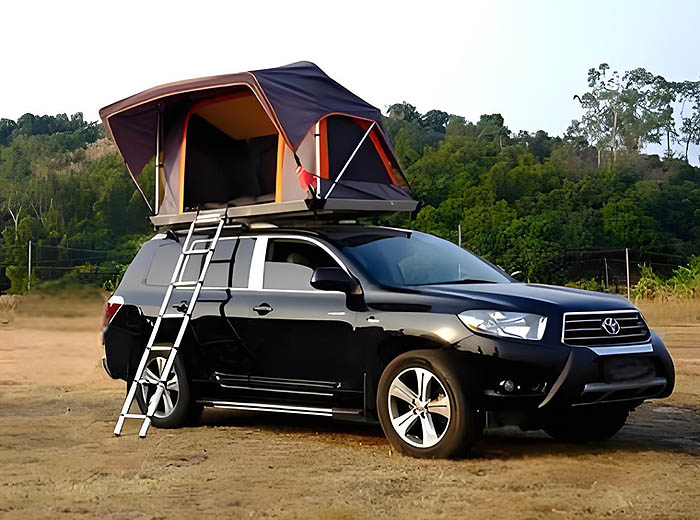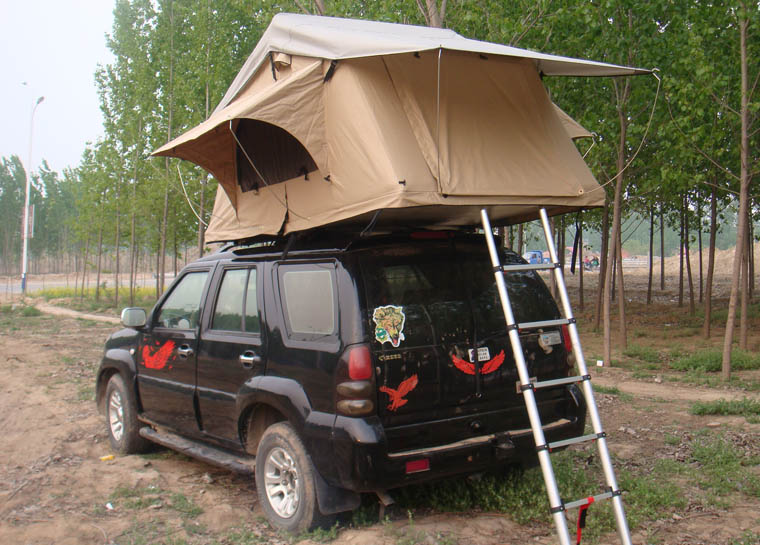
Tag: Soft shell roof top tent

  • Hard Shell vs. Soft Shell Roof Top Tent: Which One Fits Your Adventure Style?

    Hard Shell vs. Soft Shell Roof Top Tent: Which One Fits Your Adventure Style?

    A carefully selected roof top tent not only enhances your sleeping space but also redefines comfort, safety, and efficiency on the road. Compared to traditional ground tents, rooftop tents solve three long-standing pain points: they keep you off damp ground and away from creepy crawlies, save valuable campsite space, and reduce setup time to under two minutes. This makes them the ideal choice for road trippers who move between campsites daily. With the global rooftop tent market growing at an annual rate of over 12%, it’s clear that more adventurers are trading ground pegs for roof racks.

     roof top tent

    But the biggest dilemma for buyers is: hard shell or soft shell? Which one is lighter? Which roof tent can withstand the test of severe weather? And which one truly suits your vehicle and driving habits? Let’s take a technical look, combined with real-world experience, to break it down for you in detail and reveal some surprises that even seasoned campers might overlook.

    What’s the Real Difference Between Hard Shell and Soft Shell Roof Top Tents?

    Mainstream roof top tents split into two structural families:

    • Hard shell roof top tents—featuring aerodynamic shells made of aluminum alloy, fiberglass, or polycarbonate. When closed, they form a sturdy, low-profile shell-like structure that provides protection from wind and rain. Some high-end models now feature aluminum hard shell roof top tents with pneumatic struts to assist in opening, combining the benefits of both lightness and durability.
    • Soft shell roof top tents—feature a foldable fabric canopy (typically made of 280–320 g polyester/cotton blend) supported by telescoping poles. When not in use, they can be folded into a compact soft shell for easy storage. In this category, you’ll find foldable roof top tents (pop-up) and inflatable hybrid tents, though the latter remain a niche product for now.

    Emerging designs like the side-opening hard shell rooftop tent (hinged longitudinally) combine the rapid deployment of soft shells with the structural rigidity of hard shells. They open sideways, creating a larger interior space while maintaining a lower center of gravity than traditional wedge-shaped tents.

    Head-to-Head Comparison: 7 Critical Dimensions

    FeatureHard Shell Roof Top TentSoft Shell Roof Top Tent
    Weather resistanceWithstands Category 8 winds (≥62 mph) and heavy snow loads (up to 500 lbs static)Resilient in moderate rain/wind; vulnerable to flapping in high gusts
    Setup time30–60 seconds (gas-strut assisted)2–5 minutes (pole assembly + fabric stretching)
    Weight110–160 lbs (50–73 kg) – heavier, impacts MPG75–110 lbs (34–50 kg) – 30% lighter on average
    Interior headroom40–45 inches – uniform, boxy space35–38 inches – sloped edges reduce usable volume
    DurabilityScratch/UV-resistant shell; 5–8 year lifespanFabric degrades in 3–5 years; requires reproofing
    Price (new)$2,200–$4,500+$1,200–$2,800 (≈40% lower entry cost)
    AerodynamicsStreamlined – reduces drag and wind noiseBulky shape increases fuel consumption by 8–15%

    Verdict: Hard shells excel in longevity and all-weather protection; soft shells win on budget and weight—perfect for weekend warriors who don’t need expedition-grade armor.

    Which roof top tent is best suited for your use case?

    Overlanding & Off-Road Expeditions

    When driving on rough terrain, crossing rivers, and traversing mountain passes, your roof top tent must be able to withstand severe vibrations. In these situations, prioritize the following:

    • Anti-shake engineering – Choose zippers bearing the SBS brand logo (self-locking, anti-slip) and hydraulic damping systems that absorb vibrations when the tent is open.
    • Mounting integrity – Use only roof tent mounting brackets rated for a dynamic load of ≥165 lbs (75 kg) per side. Use a roof tent mounting kit custom-designed for your vehicle’s roof crossbars—Toyota Land Cruisers, Jeep Wranglers, and Ford Rangers typically require custom adapters.
    • Armor Protection – Hard shells with a textured, scratch-resistant coating (such as Raptor lining) effectively withstand branches and flying debris. Aluminum alloy outperforms fiberglass in terms of impact resistance.

    Weekend Getaways and Family Camping

    For paved-road trips and established campsites, a foldable roof top tent hits the sweet spot. Focus on:

    • Lightweight Design – Weighing less than 55 pounds (25 kilograms), they can be easily loaded and unloaded by one person without lifting equipment. This is crucial if you store your tent during the off-season.
    • Rapid stowage – Gas struts and automatic tension straps reduce packing time to under 3 minutes, perfect for impatient kids.
    • Ventilation – Essential features: double-layered mesh windows (insect-proof) and vents on all four sides. This reduces condensation by up to 70% compared to single-window tents.

    What additional equipment is needed after installing a roof top tent?

    Installation is just the first step; new needs often arise during actual use. The most commonly overlooked item is the roof tent ladder. Standard aluminum alloy ladders pose safety hazards in wet or slippery conditions, so we recommend choosing a professional model with anti-slip treads. Additionally, the compatibility of the roof tent mounting brackets directly affects driving safety, as load-bearing structures vary significantly across different vehicle models.

    Are you ready to elevate your camping experience?

    Choosing the right roof top tent isn’t about chasing the most expensive option—it’s about aligning your vehicle, budget, and travel style with the right shell type and accessories. Whether you choose a sturdy, durable hard shell roof top tent for cross-country trips or an affordable soft shell roof top tent for family outings, remember: the best tent is the one that gets you out camping more often.

  • My experience with roof top tents for road trips

    My experience with roof top tents for road trips

    For those who are considering purchasing a roof top tent for camping or long road trips, I would like to share my real experience so that you can make an informed decision. Prices range from a few hundred dollars to thousands of dollars, but my advice is: don’t go for the cheapest option. Travel safety is more important than saving a few dollars—after all, you don’t want to run into trouble when driving at 100 km/h in the middle of nowhere.

    HC-CL180 Soft Shell Roof Top Tent

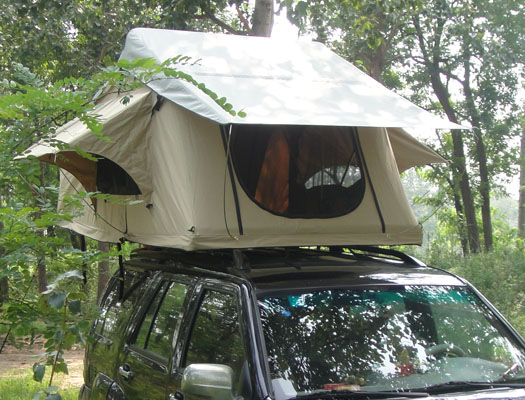
    I chose the HC-CL180 Soft Shell Roof Top Tent, which is made of high-quality 280g cotton canvas and Oxford polyester fabric, with excellent waterproof and weatherproof performance. It’s very easy to set up — just open the door latch, push back the canopy, unzip the entrance, and pull out the sturdy aluminum telescopic ladder.

    180 Soft Shell Roof Top Tent

    The tent interior features a high-density bonded foam mattress with a removable cover, ensuring a comfortable night’s sleep. Optional zipper attachments are available to expand storage or living space. Dual sunshade support poles maintain stability in strong winds, while insect-proof windows and doors provide ventilation and protection from pests.

    Installation tips

    If your car has separate longitudinal and transverse roof racks, you can install the tent directly.
    If, like me, you have an integrated roof rack, you will need to add a high-quality crossbar to form a stable base.
    Both the tent and crossbar can be installed DIY, but the tent is heavy—it’s still difficult for two people to lift.
    Once installed, you may leave it on the car; it cannot fit in an elevator, and moving it home is impractical.

    Actual Performance

    1. Wind Noise

    Under strong wind conditions, noise becomes noticeable when driving over 120 km/h; in calm conditions or below that speed, noise is barely audible.

    2. Fuel Consumption

    A fully loaded 2.0T vehicle on a long-distance trip only sees an increase of 0.2–0.3 liters per 100 kilometers—negligible in my opinion.

    3. Wind Resistance

    Folded: Withstood an 8-level wind test in Xinjiang—the tent remained as sturdy as ever.
    Unfolded: In strong winds in Inner Mongolia, the tent swayed slightly but still felt secure.

    4. Waterproof Performance

    Withstood over two hours of moderate to heavy rain without any leaks.

    5. Insulation Performance

    In Xinjiang’s sub-zero temperatures, I stayed warm all night wearing a high-quality sleeping bag, thick blanket, and down jacket—proper gear is essential.

    6. Convenience

    Much more convenient than a ground tent—quick to open and close, with the sleeping bag able to be stored inside the tent, saving time and effort.

    7. Durability on Rough Terrain

    After 32,000 kilometers of travel, including some unpaved sections, stability was excellent as long as extreme off-road conditions were avoided.

    Although a roof top tent cannot completely replace a camper van, it is one of the most practical and economical mobile living solutions for frequent road trippers. While in some cases a roof top tent may be more convenient to set up, it is not only comfortable, but also provides a higher elevation (away from ground moisture and pests) and excellent camping views.

    Are you ready to turn your car into a mobile campsite? Roof top tents open up endless possibilities for off-grid adventures and spontaneous vacations. Sleep under the stars anywhere without sacrificing comfort, making every trip unforgettable.

  • Self-driving tours for middle-aged and elderly people: Four key points to consider when modifying your roof top tent

    Self-driving tours for middle-aged and elderly people: Four key points to consider when modifying your roof top tent

    Roof Top Tents Are Great, But Installing Them Incorrectly Can Result in Fines!

    During a road trip, 65-year-old Li Gang paid a heavy price when his newly installed roof top tent was fined and forcibly removed. Like many campers, he did not realize that incorrect installation could turn his dream camping equipment into a legal and safety hazard.

    Roof top tent

    Whether you are a retiree exploring scenic routes or an adventure enthusiast, choosing the right roof top tent (RTT) and installing it correctly is crucial. This article covers everything from comparisons between hard-shell and soft-shell tents to laws and regulations and expert installation techniques.

    1. Laws and regulations: Avoid fines and ensure safety

    • Do not exceed the height limit: After installing a roof top tent, the height from the roof of the car must not exceed 50 cm, otherwise you may be fined 200 yuan as soon as you hit the road! Pay special attention to the height of the luggage rack itself, and do not exceed the limit after stacking the tent.
    • Vehicle Type Compatibility: For standard sedans or small SUVs without factory-installed load-bearing roof racks, forcing installation may damage the roof’s A and B pillars, posing a rollover risk. It is recommended to modify vehicles such as SUVs, mid-to-large SUVs, or MPVs.
    • Do Not Remove Seats During Modification: Some drivers remove seats to create space, which constitutes illegal modification! If detected by traffic police, the vehicle will be impounded.

      2. Hard shell tent vs. soft shell tent: which one is best for you?

      Hard top roof top tent (convenient and durable)

      • Advantages: One-touch automatic opening and closing, strong wind and rain resistance, suitable for middle-aged and elderly people with weak physical strength.
      • Disadvantages: Heavy (generally over 60 kg), high price, significant increase in fuel consumption, equivalent to carrying an extra adult.

      Soft top roof top tent (Best for budget and flexibility)

      • Advantages: Lightweight and economical, suitable for car owners with limited budgets.
      • Disadvantages: Difficult to set up, prone to mold when stored in rainy weather, more suitable for people who are agile and like to do things themselves.

      Hard-shell roof top tents are suitable for people who value quick setup and durability. For budget-conscious campers who don’t mind manual setup, soft-shell RTTs are more suitable.

      3. Roof Top Tent Installation: Safety Tips

      • The luggage rack must be sturdy enough: it must be able to bear 1.5 times the weight of the tent. For example, for a 60 kg tent, the luggage rack must have a dynamic load capacity of at least 90 kg. Before installation, use a weighing scale to measure the load capacity of the crossbar.
      • Add washers to the fixing screws: Bumpy roads can cause loosening, so add rubber washers to the contact surface between the screws and the roof to prevent noise and protect the car paint.
      • Place the ladder at an angle for greater stability: The angle between the tent ladder and the ground should be less than 60 degrees, and the bottom should be tied with a non-slip strap. Wrap the ladder crossbar with fluorescent tape so that you won’t step on it at night.
      • Carry emergency tools: Keep a ratchet wrench and spare screws by the driver’s seat. In case of extreme weather, you can quickly dismantle the tent.

      4. Comfort and safety upgrades for the elderly

      • Is climbing a regular ladder too strenuous? Customize a Z-shaped folding staircase with steps widened to 30 centimeters and anti-slip sleeves on the handrails, making it easy for those with knee issues to climb up and down.
      • In mountainous areas at night, temperatures are low. Use a 12V car electric blanket (power ≤ 50W) placed under a moisture-proof pad, plugged into the cigarette lighter, which is safer than bringing a gas canister.
      • Install a foldable toilet bag on the side of the tent to solve the issue of getting up at night. Note! Waste must be disposed of in public restrooms at service areas; do not dump it randomly in the wild.

        Ultimate Tips for Easy Roof Camping

        • Check local laws before traveling—regulations vary by region.
        • Inspect bolts and seams before each trip to prevent accidents.
        • Prepare an emergency tool kit (wrench, spare screws, sealant).

        Choose the right roof top tent (hard-shell or soft-shell) and follow these guidelines to enjoy a safe, legal, and comfortable adventure under the stars!

      1. How to choose the right roof top tent for you? | Hard shell vs soft shell roof top tent

        How to choose the right roof top tent for you? | Hard shell vs soft shell roof top tent

        How to choose the right roof top tent for you?

        Roof top tents have become increasingly popular among outdoor camping enthusiasts in recent years. They not only provide a comfortable sleeping space, but also keep you away from the moisture and pests on the ground. However, faced with the wide range of roof top tents on the market, how to choose one that suits your needs? In this article, we will provide you with a comprehensive shopping guide in terms of vehicle suitability, tent type, usage requirements, tent quality and brand after-sales.

        HC-CS Roof Top Tent

        1. Vehicle Suitability

        Vehicle roof load-bearing capacity
        Before purchasing a roof top tent, you should first understand the maximum weight capacity of your vehicle’s roof. Most vehicles can handle the weight of a normal roof top tent and its occupants, but if the vehicle itself is light or the roof rack is not strong enough, you need to be careful in choosing one. Make sure that the total weight of the roof top tent plus the user does not exceed the weight capacity of the roof and luggage rack.

        Types of luggage racks
        There are two common types of roof racks: longitudinal and transverse. Horizontal breakaway luggage racks allow direct mounting of the roof top tent, while longitudinal breakaway luggage racks need to be equipped with rails before they can be mounted. Make sure that the selected tent is compatible with your vehicle’s luggage rack and that it is stable and reliable after installation.

        Vehicle Fit
        Different models have different shapes and sizes of roofs, and it is crucial to choose a roof top tent that matches your model. Generally speaking, SUVs, crossovers and other models have more roof space, which is more suitable for installing roof top tent. However, some sedans can also be installed if they have been modified or if they have sufficient roof load-bearing capacity.

        2. Tent Type: Hard Shell vs Soft Shell Roof Top Tent

        Hard Shell Roof Top Tent

        Advantages:

        • Easy to install: hard shell roof top tent is usually equipped with motorized drive, it can be unfolded and stowed very quickly, just a few seconds to complete, saving time and labor.
        • Strong stability: hard-shell tents are structurally stable and wind-resistant, and can remain stable without the need for floor spikes.
        • Good soundproofing: hardshell tents have better soundproofing performance, especially at high speeds, the wind noise is significantly lower than softshell tents.

        Disadvantages:

        • Higher weight: hard shell tents are heavier due to their material, making them relatively inconvenient to install and dismantle.
        • Higher price: The manufacturing cost of hard shell tents is higher, and the selling price is usually more expensive than soft shell tents.

        Applicable scenarios: suitable for long time camping, high speed driving and users who need good sound insulation. Its stability and luxury make it excellent in wild camping and long-distance traveling.

        Soft Shell Roof Top Tent

        Advantages:

        • Lightweight and easy to carry: softshell tents are lighter overall, making them easy to carry and set up, making them suitable for frequent changes in camping locations.
        • Lower price: Softshell tents are cheaper to manufacture and sell.
        • Variety of choices: soft-shell tents are available in a variety of models, suitable for different numbers of people.

        Disadvantages:

        • Poor durability: soft-shell tents are less durable, easily damaged, and not as airtight as hard-shell tents.
        • Complicated operation: Soft-shell tents need to manually open the outer tent poles, which is relatively complicated to operate.
        • Poor wind resistance: soft-shell tents do not perform well in windy weather, and the wind noise is large.

        Applicable scenarios: Suitable for users who change camping sites frequently, have a limited budget and want to carry it lightly. Its lightweight and various models make it more flexible for short trips and daily use.

        3. Usage Requirements

        Frequency of use
        If you often carry out self-driving tours or camping activities, it is more appropriate to choose a roof top tent with good quality and high durability; if you only use it occasionally, you can choose a cost-effective model with a relatively low price.

        Number of travelers
        According to the number of travelers to choose the appropriate size of the tent and the number of people. If it is a single person, you can choose a smaller tent; if it is a family trip or many people together, you need to choose a larger size tent that can accommodate more people.

        Environment
        If you often use the tent in bad weather conditions, such as heavy rain, high wind, cold and other areas, you need to choose a waterproof, windproof and good warmth; if you use it in a hot area, the breathability of the tent is very important.

        4. Tent quality

        Fabric Material
        High-quality roof top tent fabrics should have good waterproof, sunscreen and wear-resistant performance. Common waterproof fabric coatings are PU, PVC, etc. The higher the waterproof coefficient, the better the waterproof performance; sun protection performance can be judged by checking the ultraviolet protection factor (UPF) of the fabric.

        Frame structure
        The frame should be strong and durable, able to withstand certain wind and pressure. Metal frames such as aluminum alloy are a better choice because of their high strength, light weight and corrosion resistance; plastic frames should be made of ABS and other materials with good quality and high strength.

        Zipper and accessories
        Zippers should be smooth and durable, not easy to get stuck or damaged; tent accessories such as ground pegs, ropes, ladders, etc. should also be of reliable quality to ensure the safety and convenience in the process of use.

        5. Brand and after-sales service

        Brand reputation
        Choose a roof top tent of a famous brand, the quality and after-sales service are more guaranteed. You can learn about the reputation and product quality of different brands through the Internet and friends’ recommendation.

        After-sales protection
        Good after-sales protection can enable you to get a timely solution when you encounter problems in the process of use. Understand the brand’s after-sales service policy, such as warranty period, maintenance methods, etc., and choose the brand with perfect after-sales service.

        Choosing a roof top tent that suits your needs not only enhances the camping experience, but also ensures safety and comfort during the journey. By considering factors such as vehicle suitability, tent type, usage needs, tent quality and brand after-sales service, you will be able to make a wise choice. Whether it’s a hard shell or soft shell roof top tent, they all have their unique advantages and applicable scenarios, I hope this article can help you find the most suitable roof top tent for you, and start an enjoyable outdoor camping trip!

        FAQ:

        Q1: Does roof top tent fit all cars?
        A1: Not all vehicles are suitable for roof top tent installation; SUVs and crossovers are usually better suited, but some cars can be modified to fit a roof top tent. Be sure to check your vehicle’s roof capacity and type of luggage rack.

        Q2: Which is better, a hard shell or soft shell roof top tent?
        A2: It depends on your needs. Hard-shell tents are better for long camping trips and highway driving, while soft-shell tents are better for those who are on a budget and need to carry light.

        Q3: How do I take care of my roof top tent?
        A3: Clean the fabric regularly, check the zippers and frames for wear and tear, and make sure the tent is dry before storing it to prolong its life.

      2. VVW Soft Shell Roof Top Tent for Lightweight Camping

        VVW Soft Shell Roof Top Tent for Lightweight Camping

        HC-CL180 Soft Shell Roof Top Tent

        The VVW HC-CL180 soft shell foof top tent is perfect for camping and outdoor adventures. Comfortably seating 3-4 people, this roof top tent combines durability, affordability and ease of use, making it ideal for families, solo travelers and adventure enthusiasts.

        HC-CL180 Soft Shell Roof Top Tent
        HC-CL180 Soft shell roof top tent interior

        Specification:

        Fly420D Polyester Oxford PU 1800mm, W/P,W/R,
        Body280G Polyester-Cotton(Canvas) PU 1800mm,W/P, W/R
        Tent ColorSand Yellow, Olive Green, Grey, Blue or As your needed
        LadderAluminum Telescopic Ladder  
        Mattress240*140*5 CM Sponge Non-Deforming Sponge Mattress with cotton fabric cover        
        Unfolding Size143*310*126CM
        Packing Size150*125*30CM in carton
        G.W./N.W55KGS/50KGS
        Loading Quantity45PCS/20FCL, 119PCS/HQ   
        Lead time20-30 days after down payment

        The HC-CL180 is made of high quality 280G cotton canvas and Oxford polyester tent curtains for excellent water and weather resistance. It’s quick and easy to set up, simply unlatch the door, push back the tent roof, unzip the tent door, and set up the sturdy aluminum telescoping ladder. A high-density bonded chip foam mattress with removable cover ensures a comfortable night’s sleep, and an optional zipper attachment adds extra storage or living space. Its dual awning support bars keep it stable in high winds, while insect-resistant windows and doors provide ventilation and insect protection.

        Whether you’re driving an SUV or truck camping, the HC-CL180’s flexible mounting system allows the entrance to be mounted on either side or the rear of the vehicle. The raw aluminum diamond plate base and heavy-duty polyester fiber travel cover add durability and protection from the elements.

        Features of the HC-CL180 Roof Top Tent

        • Dual Rainfly Support Rods: Provides stability in high winds.
        • High-Quality Materials: Made from 280G cotton canvas and Oxford polyester fly for excellent waterproofing.
        • Flexible Mounting: Entrance can be mounted on either side or the back of your vehicle.
        • Durable Base: Raw aluminum diamond plate base for added strength.
        • Sturdy Ladder: Aluminum retractable ladder strong enough to support two people.
        • Comfortable Mattress: High-density bonded chip foam mattress with a removable cover.
        • Optional Annex: Zip-on annex for extra space.
        • Insect Protection: Screened windows and door for ventilation and bug-free camping.
        • Travel Cover: Heavy-duty polyester cover with a zip to protect your tent from rain and dirt.
        • Easy Setup: Bungee cord system assists with closing the tent quickly.

        Why Choose the VVW HC-CL180 Soft Shell Roof Top Tent?

        • Perfect for Lightweight Camping: The HC-CL180 is much lighter than hardshell tents, making it ideal for campers who value ease of transportation and setup.
        • Spacious and Comfortable: This tent can accommodate up to 3-4 people, making it ideal for family or group camping. The high-density foam mattress ensures a good night’s sleep.
        • All-Weather Performance: Waterproof coating and durable materials make it suitable for camping in rain, shine and even winter.
        • Versatile Mounting Options: Whether you drive an SUV, truck or Jeep, the HC-CL180 can be adapted to your vehicle with flexible mounting options.
        • Affordable Luxury: Enjoy premium features like optional accessories and bug protection without breaking the bank.

        Tips for using the HC-CL180 Roof Top Tent

        • Adequate Ventilation: Open all windows and doors during the day to allow air to circulate and reduce moisture condensation.
        • Use accessories for storage: Keep your sleeping area tidy by storing gear, shoes or camping equipment in the optional accessories.
        • Regular Maintenance: Clean your tent after each trip and store it in a dry place to extend its life.
        • Pair with a Stabilizer: For added stability on uneven terrain, consider using a roof rack stabilizer.

        If you’re looking for a lightweight, durable, and affordable roof top tent, the VVW HC-CL180 is the perfect choice for your next camping adventure.